
I’ll read my books and I’ll drink coffee and I’ll listen to music and I’ll bolt the door. – J. D. Salinger
Solitude is for me a fount of healing which makes my life worth living. Talking is often torment for me, and I need many days of silence to recover from the futility of words. – C. G. Jung
I am very much an introvert. According to Jung’s typology, an INTJ, to be precise. I like common descriptions of INTJs because I think they explain certain aspects of my personality well, including having a rich inner life, occasional social aloofness, and an overwhelming intolerance for fake people, lies, one-upmanship, and superficial conversation. But that doesn’t mean I don’t like people or that I don’t like social interaction—I do. I just like to interact with similarly minded people, people who I think are genuine, good souls, and/or to discuss topics that I find meaningful, like art, nature, literature, history, current events, and the like. And, more importantly, I prefer to interact on my terms—when I feel ready for social interaction and not before. This can be difficult for some people to understand.
While introversion certainly comes with challenges, I wouldn’t trade it for anything. My inner world is my sanctuary. It is my place of sweet repose: rich, vibrant, and full of life. It is also, I think, helpful for everyone, whether introvert or extrovert (or somewhere in between), to learn how to make constructive use of solitude and to find oneself to be good company. The latter, perhaps, being a long-forgotten art.
That said, here are some thoughts and observations on introversion:
Introverts use the silence.
I have a tendency in social situations, especially when in the company of someone I just met or someone I don’t know well, to sit back and observe for a period of time before speaking. I’ve found that some people will try to engage with me and draw me into conversation right away. Others will simply seize the opportunity to talk about themselves ad nauseam, never once thinking the person in front of them might have something worthwhile to contribute. Over the years, I have found this to be an effective barometer for measuring people on meeting them for the first or second time. Indeed, that period of initial silence, for me, is a test.
This is something I think the extroverts among us may not understand: when introverts are reserved or withdrawn in social situations, it doesn’t mean we’re not paying attention or that we’re not engaged. To the contrary. We’re taking it all in. We’re assessing, evaluating, discerning, and in many cases, using our intuition to determine whether the person in front of us is worthy of being allowed into our inner world…or not.
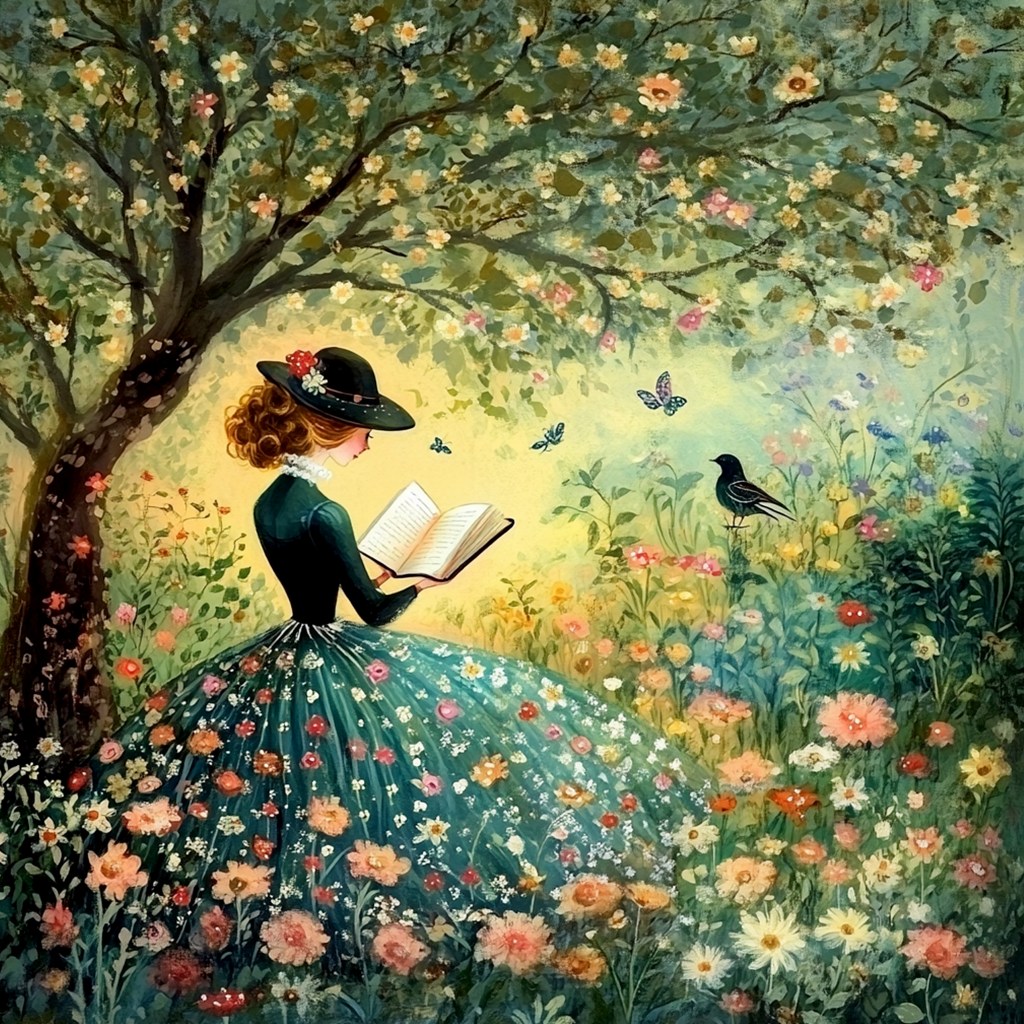
Introverts need time to recover.
Something else I think many extroverts many not understand: the exhaustion and the need for solitude and rejuvenation that follow periods of social interaction, especially prolonged periods of social interaction. I, like Jung (above), often need many days of silence to recover from the futility of words. And during those periods of solitude, I tend to be at my most creative. I spend my time learning, reading, writing, collage-making, birding, meditating, or taking walks in the woods. If I don’t make adequate use of that restorative time, or if it is prematurely cut short, I can become irritable, short-tempered, and moody.
It is also important to note here that interacting with certain kinds of people can be especially draining. Indeed, there are people whose personality, or energy, simply feels “off” in a way that is unsettling or disturbing. I don’t come across people like this often, but when I do, it’s a huge red flag to me that I should run—not walk—in the other direction. I can never shake the feeling that I’m picking up on something that is, perhaps, very wrong within that individual. Interactions like this, though they are infrequent, have a tendency to linger, or take me longer to process. And the necessity for me to retreat into my imaginative world in order to recover or “detox” from the experience is real.
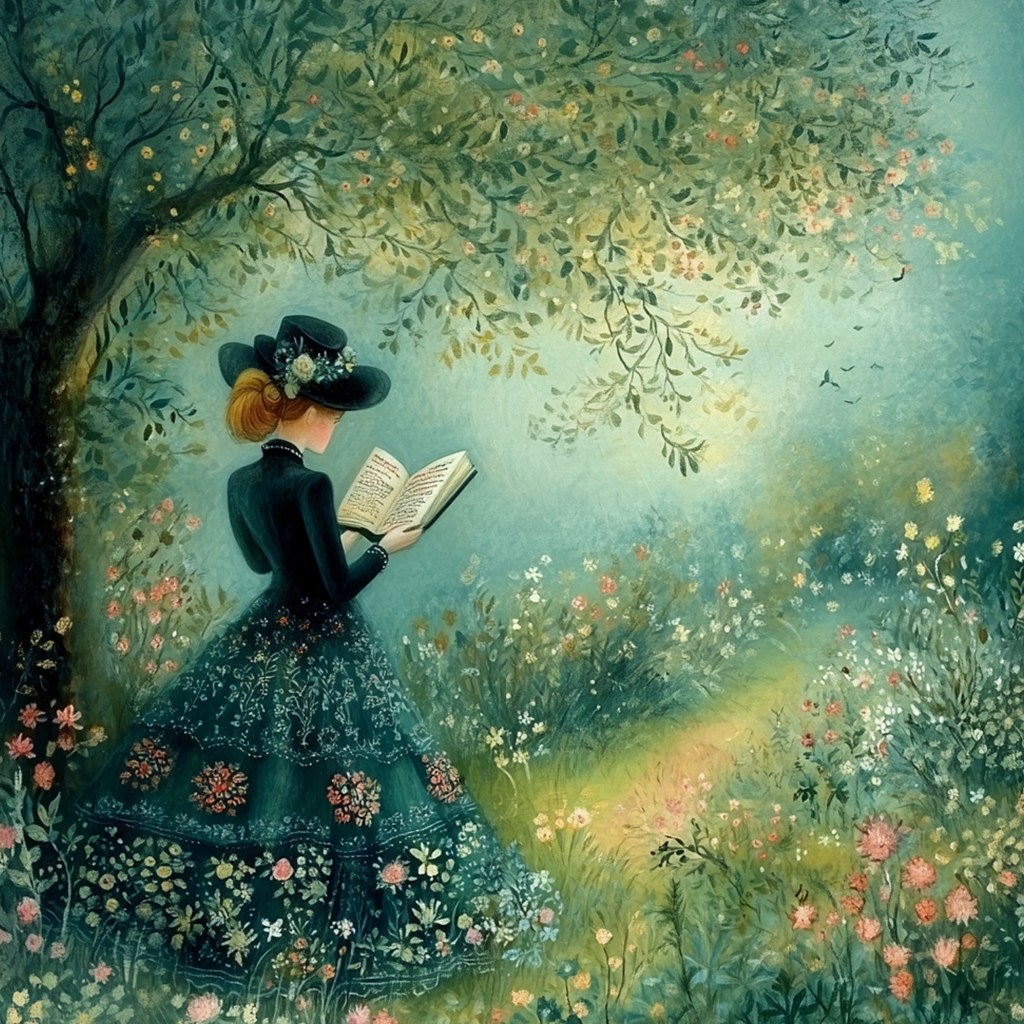
Imagination is everything.
I don’t think I’ve ever come across a definition of “introvert” that doesn’t include some variation of the phrase, “has a rich inner world”. As I stated earlier, I wouldn’t trade my inner world for anything. That’s what keeps me imaginative, curious, playful, and vital.
Although, I will say, in social situations, I often feel like I am the child in the room—and very much like I am the odd one out. While other people are busy making small talk about the features in their new car or how expensive the repairs to their roof were, I’m just dying to talk about the magic of birds (If only someone wanted to listen!). Or how much I loved the collection of Ray Bradbury stories I just read—and how important those stories are today. Or how fascinating the history of ancient Rome is (I’m currently reading Mary Beard’s SPQR–highly recommended). Or how fun it is to hike or ride a bike or make fantastical worlds out of old paper and glue.
It can be lonely being an imaginative introvert. We may look ordinary, shy, or withdrawn, but there’s a whole lot going on inside of us. How blessed we are to have an inner world that is so colorful and so very much alive! (This isn’t a gift that everyone has.) Our task is often finding the right people to share that world with.


 The Used Life
Leave a comment