To this point, I’ve talked about Mystery—the fourth of The Four Principles, which are alignment, sensitivity, creativity, and mystery—in terms of ritual and storytelling.
The principle of Mystery hinges on the Jungian idea that our souls need a sense of mystery, a sense that we are, even in the simple activities of daily life, participating in something mysterious, which is at once incomprehensible, awe-inspiring, and cause for celebration.
There is also a mystery that is unfolding within us all the time. We aren’t just witnesses to the mysteries of creation; we embody them. There is a part of the psyche that transcends time and space. We have depth. We are already more than the here-and-now. The principle of mystery is about accessing those deeper dimensions of experience.
Ritual and storytelling, particularly exercises in myth-making (see Joanna Gardner’s The Practice of Enchantment for information on the latter), are excellent ways to do this. But there are other ways to put the principle of mystery into practice in our daily lives.
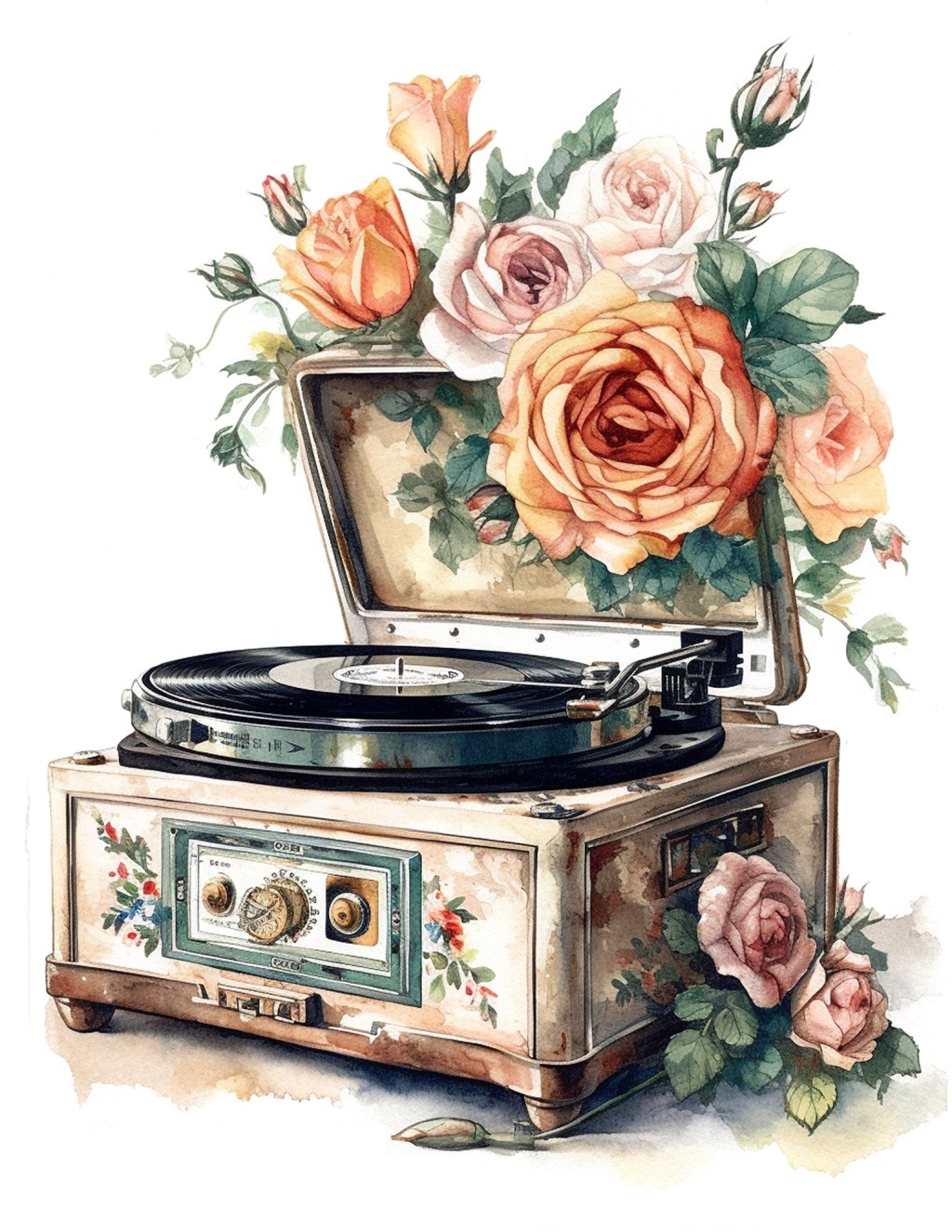
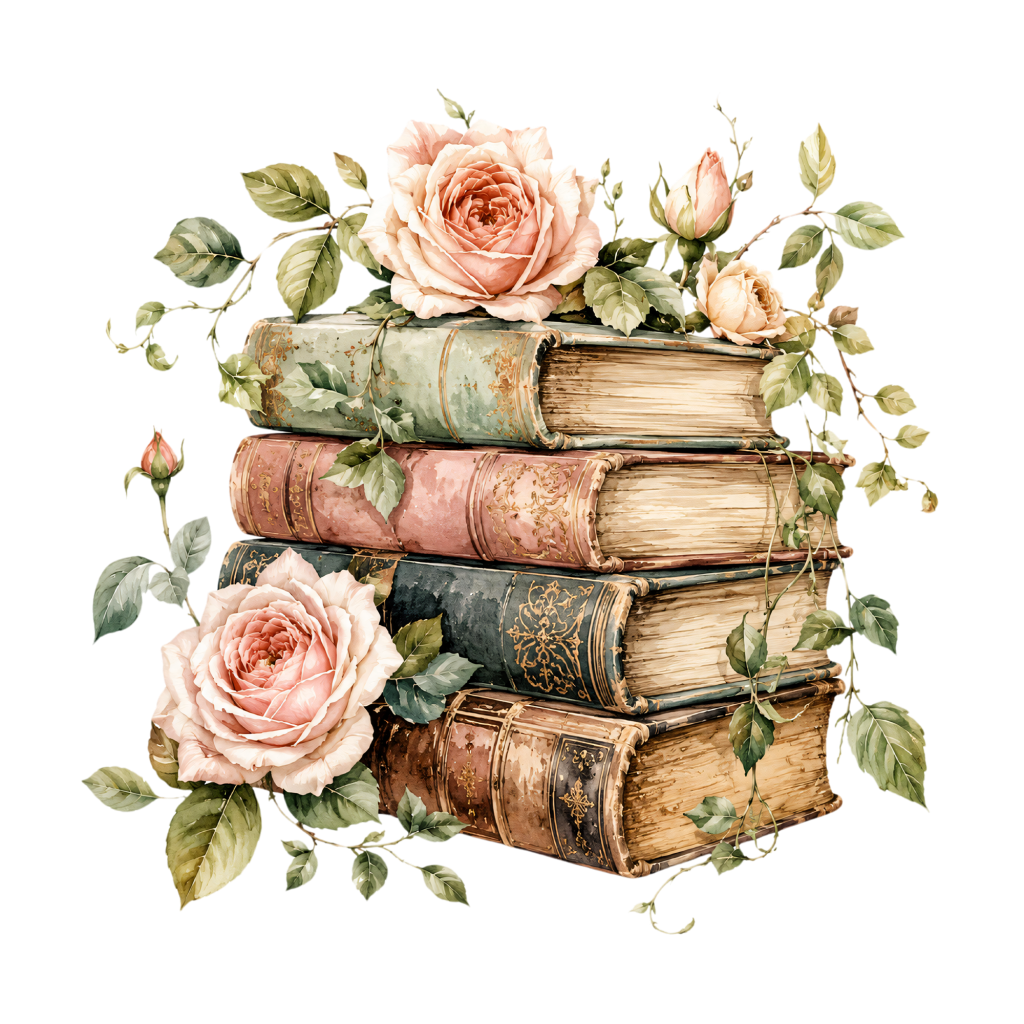
For me, surrounding myself with old things is one of those ways. If you follow this blog, you likely know how much I love collecting old magazines and making collage art with vintage imagery. I also love vintage records, old books, and vintage concert and travel posters (the walls in my office/studio are decorated with both).
Here are some reasons I think it’s important to have a collection of old things.
Used objects have history.
They have a story all their own, which for me, is a big part of the magic. Whenever I get an old book or a used vinyl record that has a previous owner’s name written on it or scribbling in the margins, I wonder about the person who made those inscriptions. Who were they? Where were they from? What kind of life did they live? What did this object mean to them? Thinking like this reminds me that I am more than the here-and-now and helps me understand myself as a character in a much larger story.
Old things represent values.
As I see it, one of the dangers of constantly replacing old things—whether objects, buildings, or other design elements in our environment—with new ones is the threat of losing touch with values associated with the former.
Our environment gives us valuable information about who we are and what we stand for and often without our realizing it. Far better that we should be mindful of our surroundings and endeavor to create spaces that reflect our values and our perspectives, rather than allowing trends to dictate those things for us.
Vestiges of the past also help us understand the present in context: where we are in this historical moment, how we got here, and where we might be headed. Losing sight of that bigger picture can lead to perilous consequences.
Old things can create a deeper aesthetic experience.
Reading is one of my favorite rituals, and old books always add an extra element of depth to that ritual. From the yellowing of the pages to “old book smell,” curling up with an old book is always a rich aesthetic experience. It transports me more completely to other times and places than a new book ever could.
The same can be said for listening to old vinyl records. The little bit of static, or crackling, in the background enhances the experience for me. Again, it helps transport me to another time and place in ways that new or remastered recordings can’t.
But this is why old objects often have a magical or mysterious quality: they kindle the imagination. They remove us from the context of the present and remind us that we are part of not only a much longer human lineage, but also of eternity itself.


Leave a Reply