
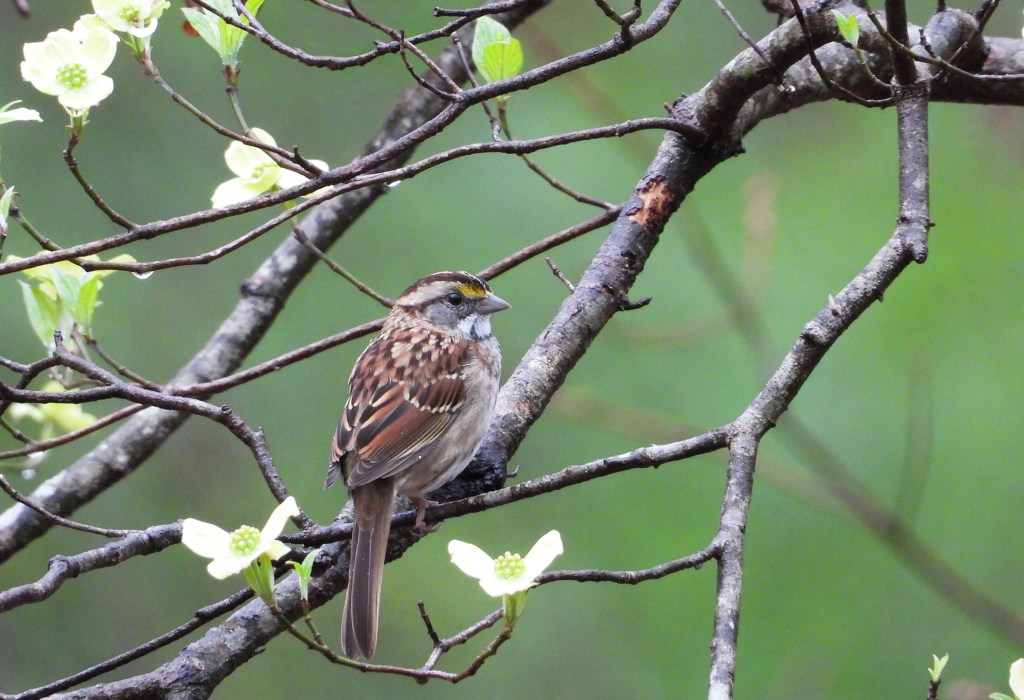
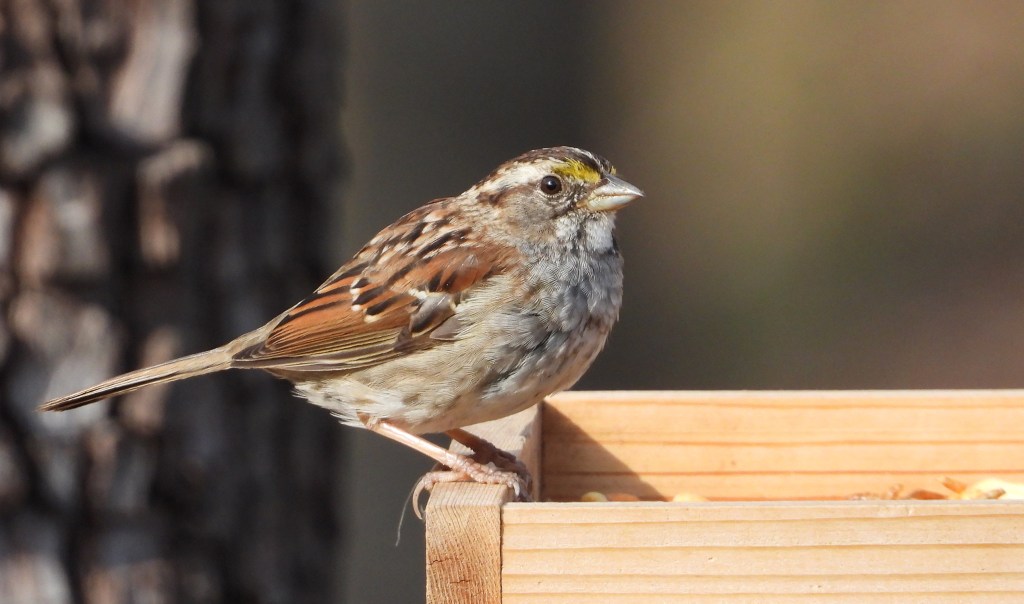
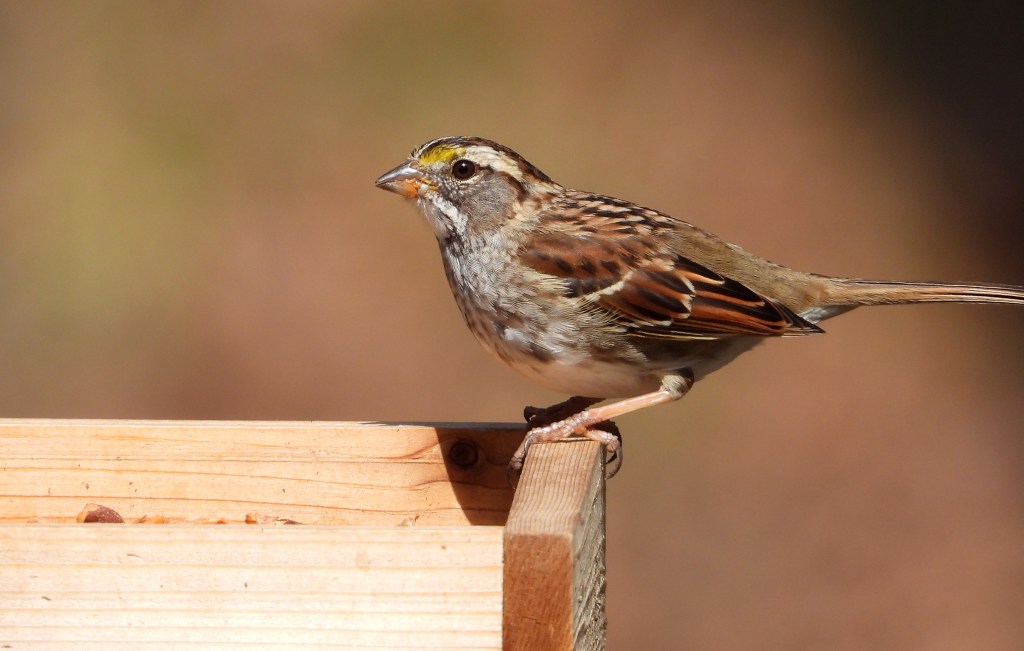
White-throated Sparrow in a dogwood tree
I did some backyard birding late yesterday afternoon, and one of the craziest things happened to me. I was sitting on the deck in my usual sit spot with my camera when, all at once, the birds at my feeders flushed. Several dove into the bushes surrounding the bird bath, and everything got very, very quiet. This is typically a sign that a predator is near.
And sure enough, within about 30 seconds, a Cooper’s Hawk flew into my backyard very low, about eye-level with me, and landed in the far corner of the yard. I got up and quietly crept across the deck to see if I could find it when, suddenly, the hawk emerged from a bush in very close pursuit of a White-throated Sparrow who had taken cover. I found myself yelling, “No, no, no, no!” (I love White-throated Sparrows.), and thinking, “I’m about to watch this hawk kill a sparrow, literally, right in front of me.”
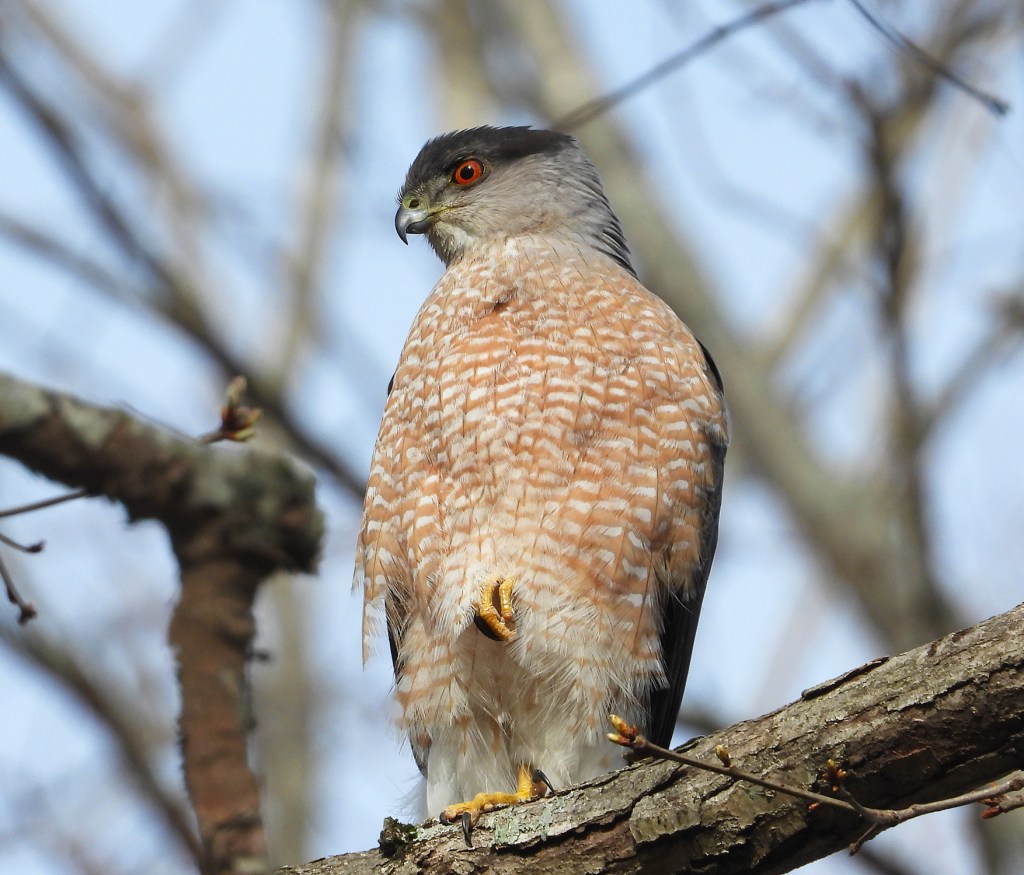
As they got closer to me, the sparrow turned right and flew between two wooden posts on the railing of the deck right where I was standing. I actually felt it graze my right knee–that’s how close they were. The hawk, in hot purusit, followed, but being a much larger bird, it didn’t maneuver as well in such a tight space and ended up–of all places–getting tangled in my legs. I let out a little scream (Who wouldn’t?). By the time it disentagled itself and regained its bearings, the sparrow was long gone. If it weren’t for the sparrow’s quick thinking, I imagine it wouldn’t still be alive. What a wild encounter!
That said, I am fortunate not to have a problem with hawks hunting at my bird feeders. They do stop by occasionally–but only occasionally. And they don’t tend to hang around for very long when they do.
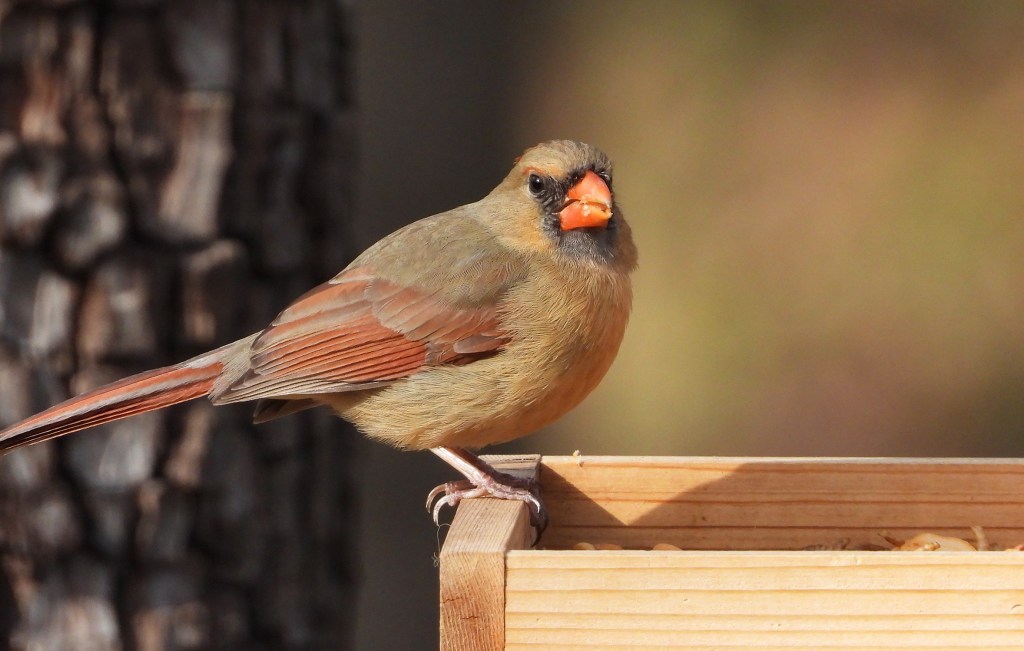
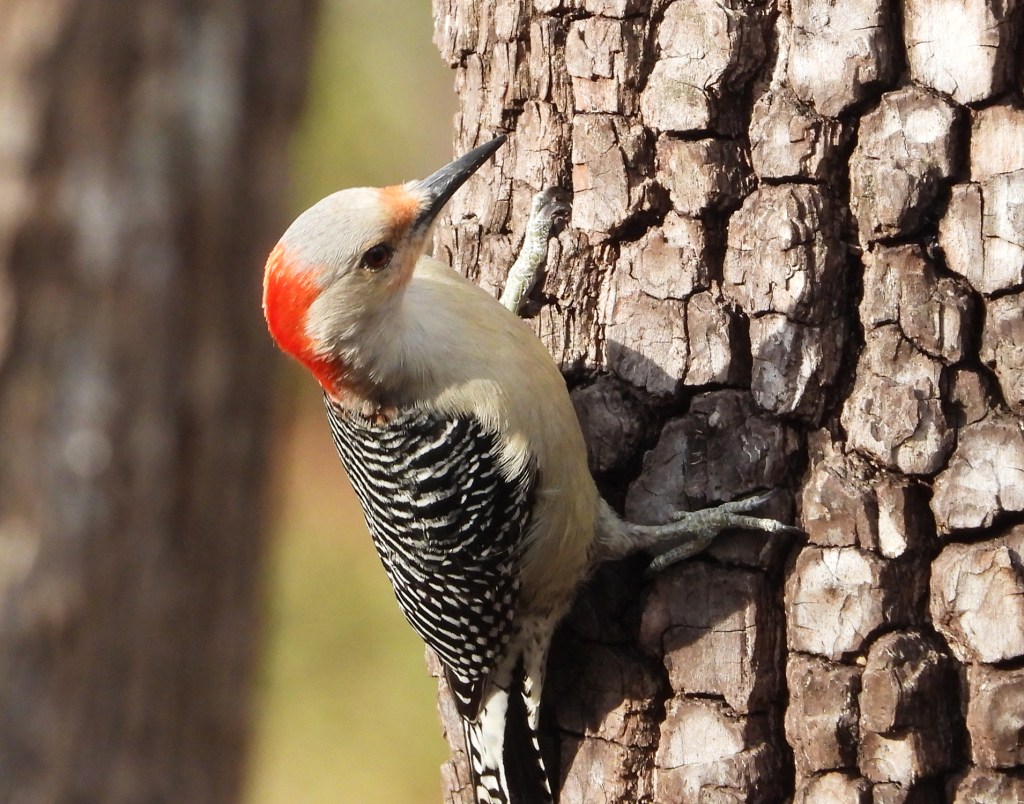
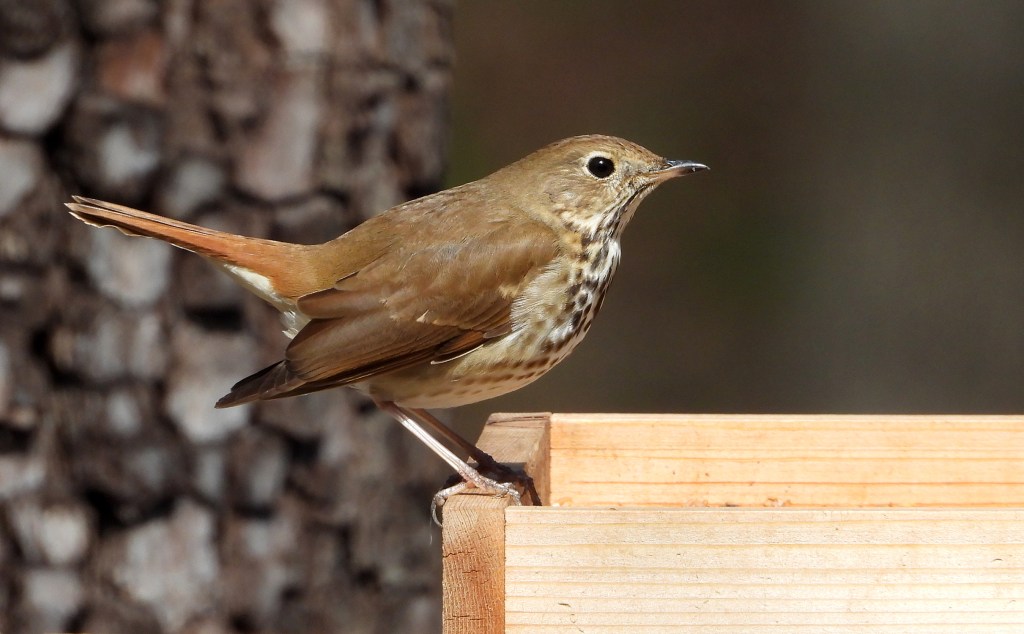
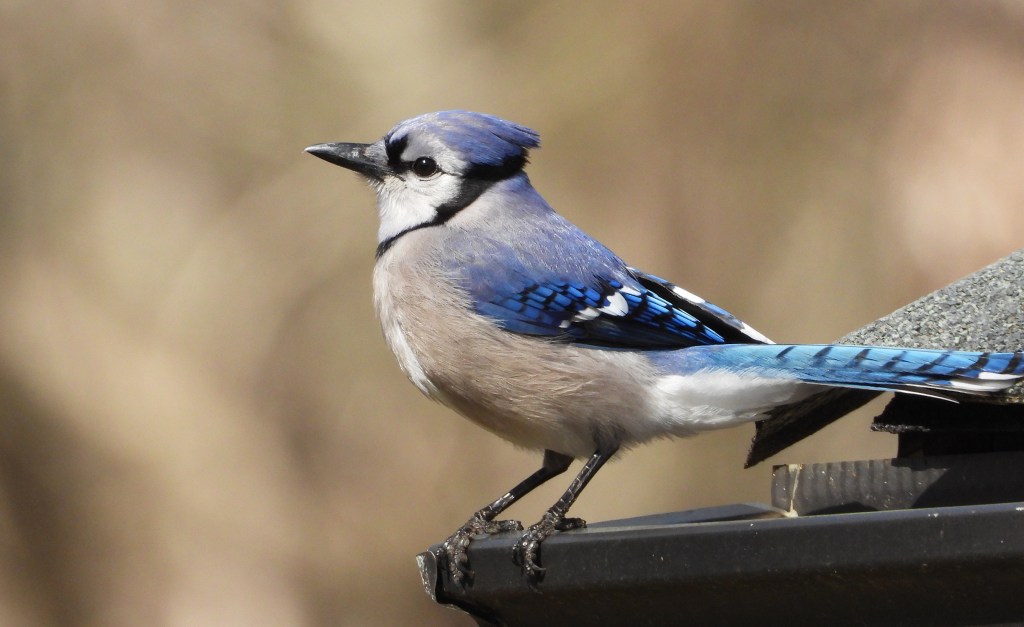
I do, however, continue to by amazed by how adept the little songbirds are at knowing when a predator is nearby. Sometimes, I never even see the predator. But when it’s in close enough proximity, they know, and they either leave, freeze in place, or take cover until the threat has passed. It’s my understanding that a lot of this awareness comes from a kind of inter-species communications network (which you can read about here). That is, songbirds of different species know how to interpret each others’ alarm calls signaling a predator and specific information about the predator and its location. They pass that information to one another in a kind of chain, such that the songbirds in a certain area may know a hawk is on the way well before it even arrives.
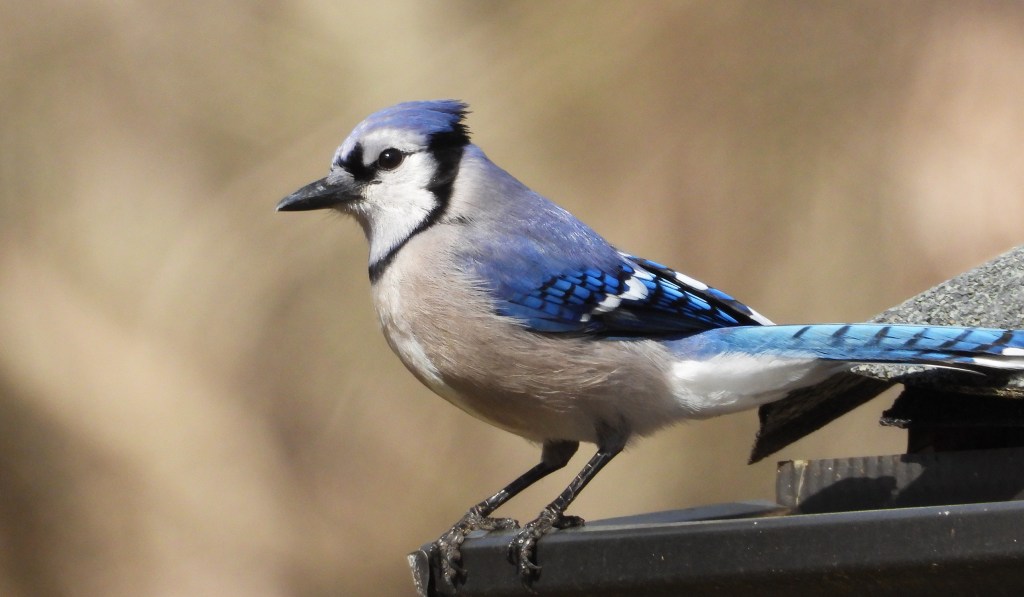
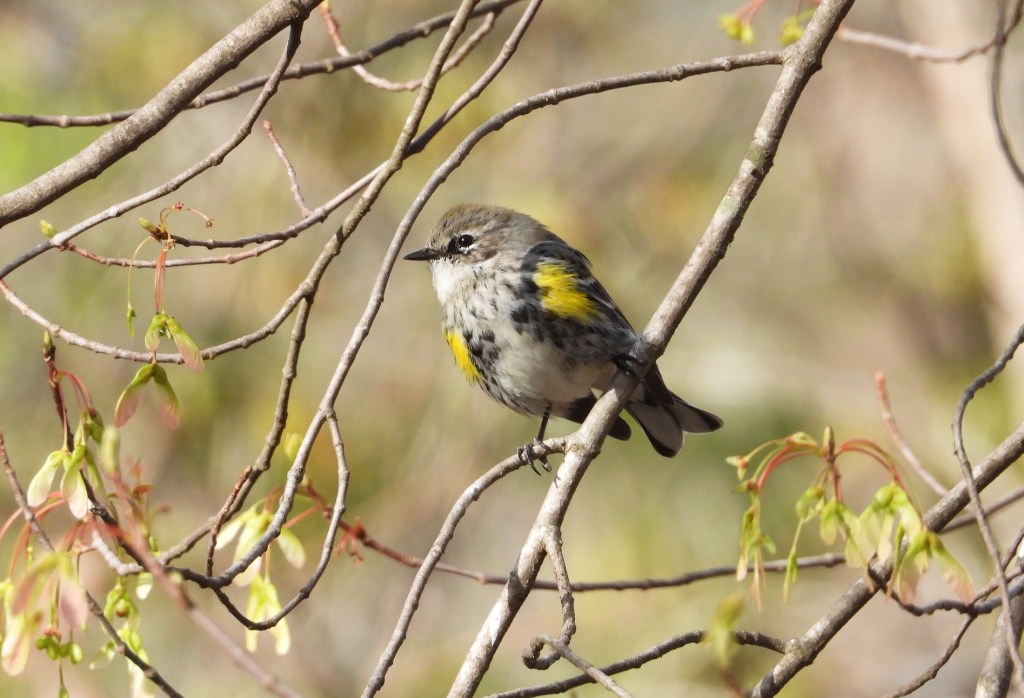
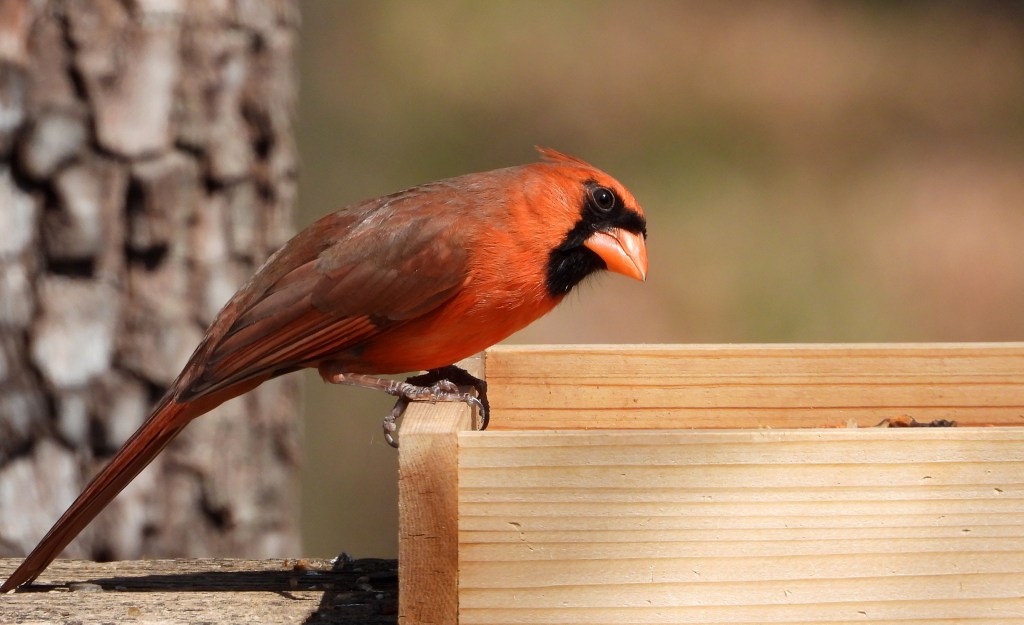
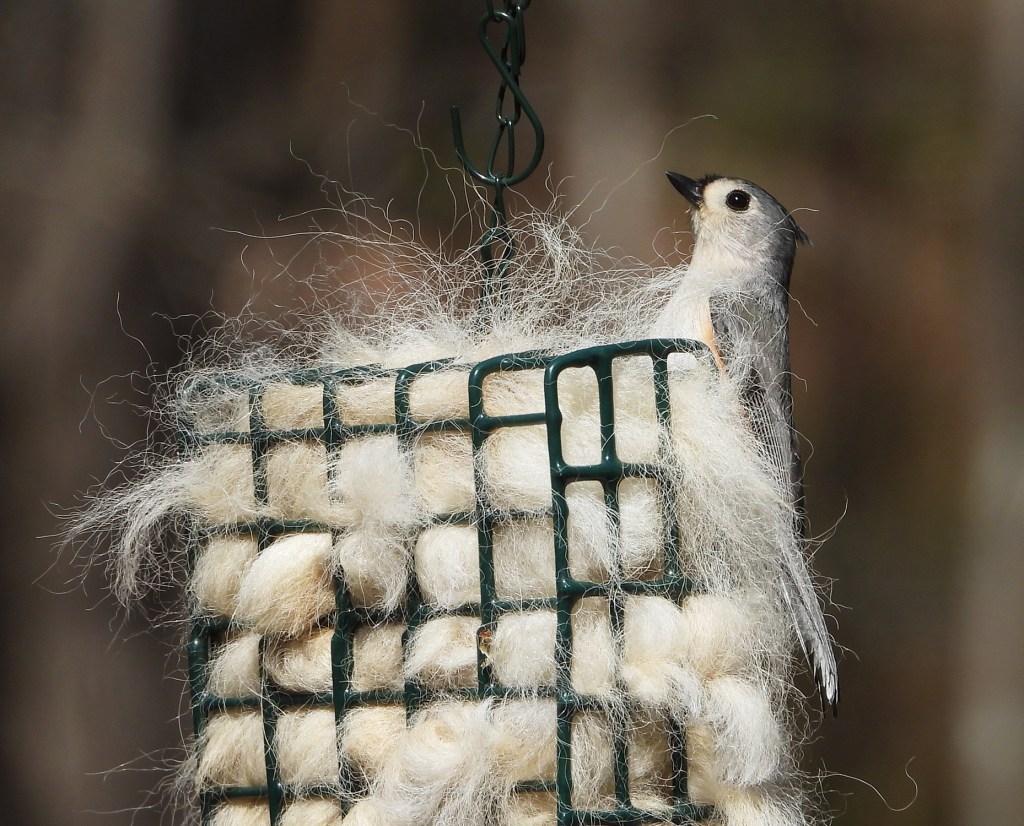
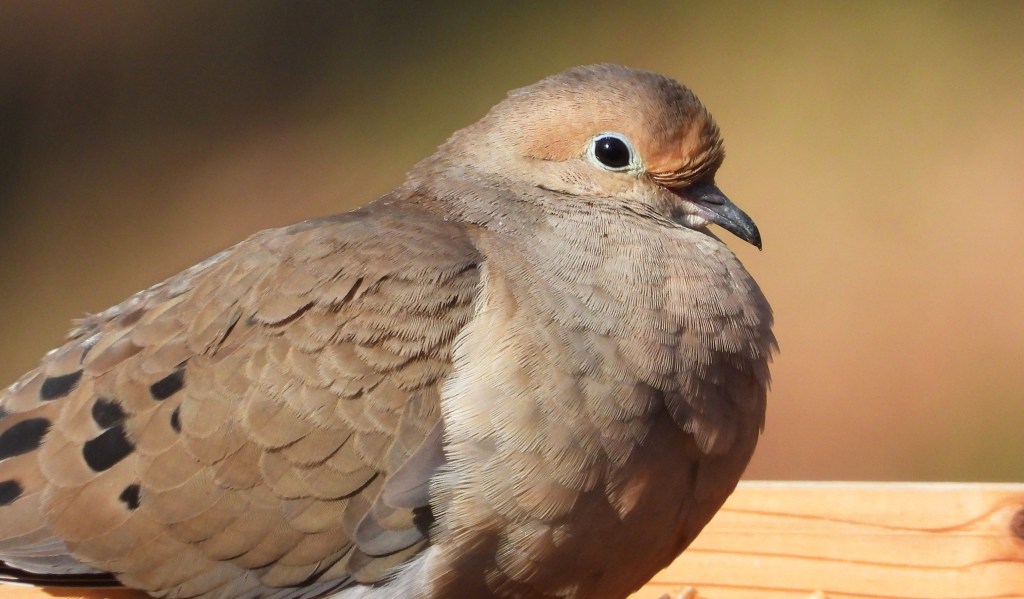
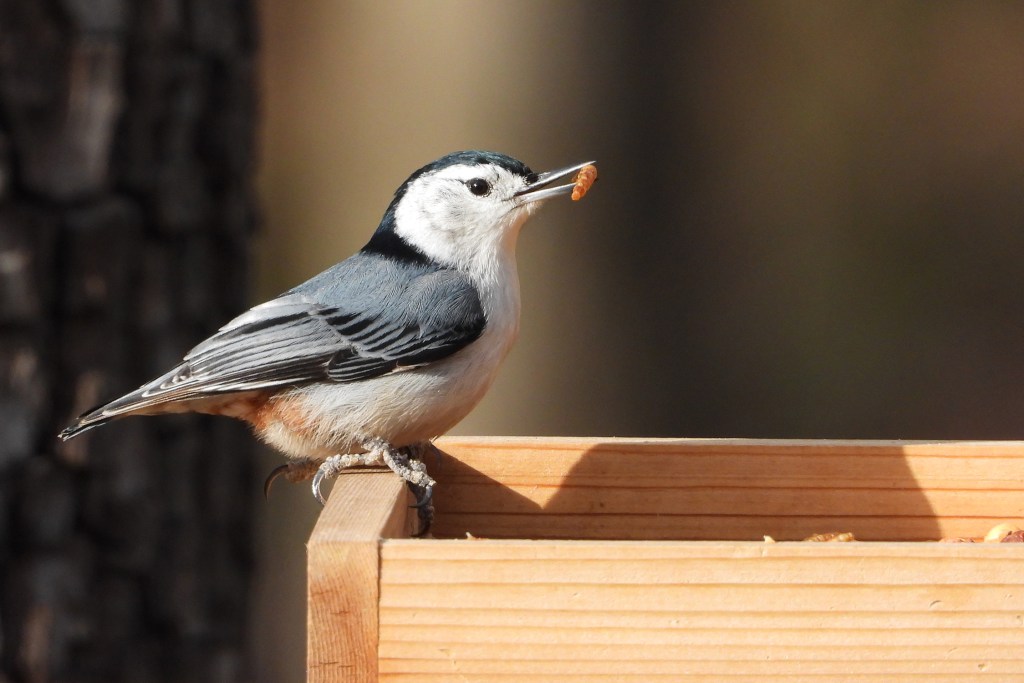
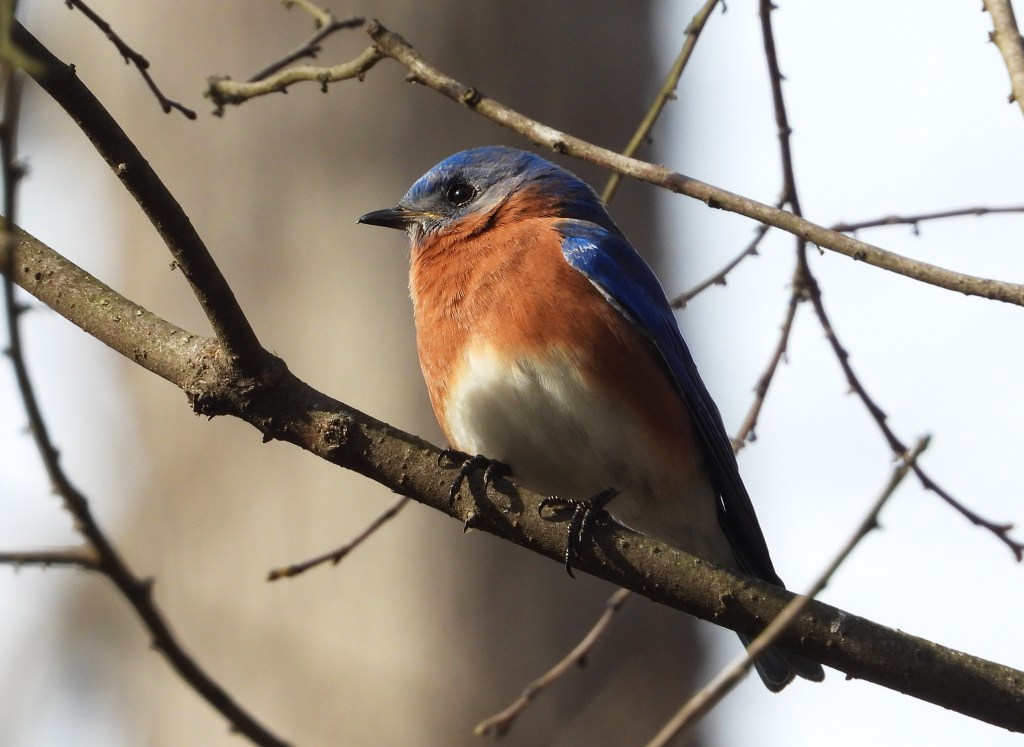
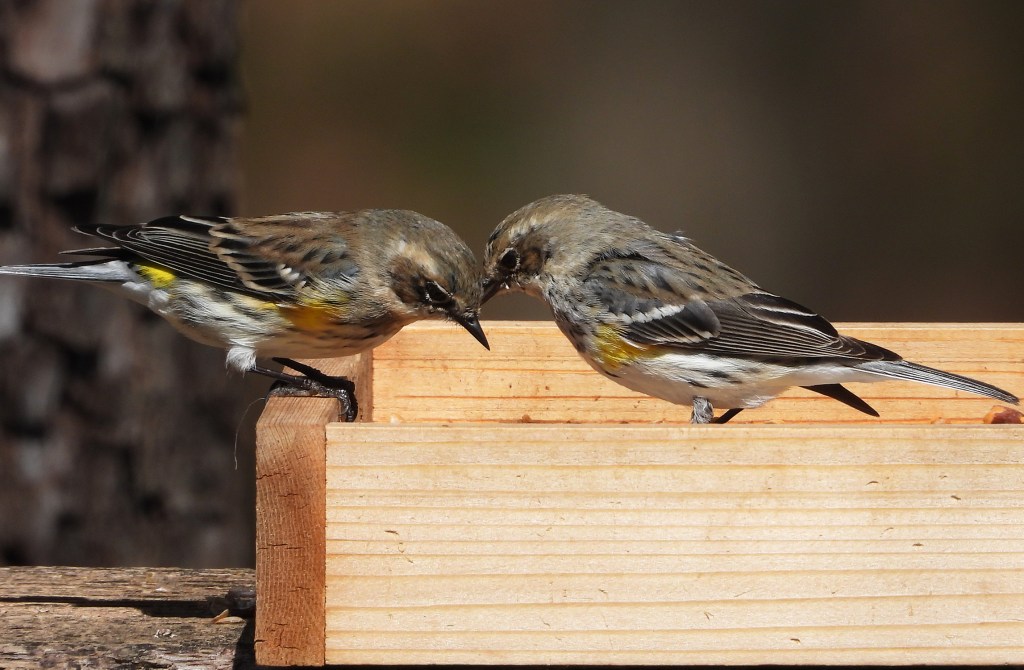
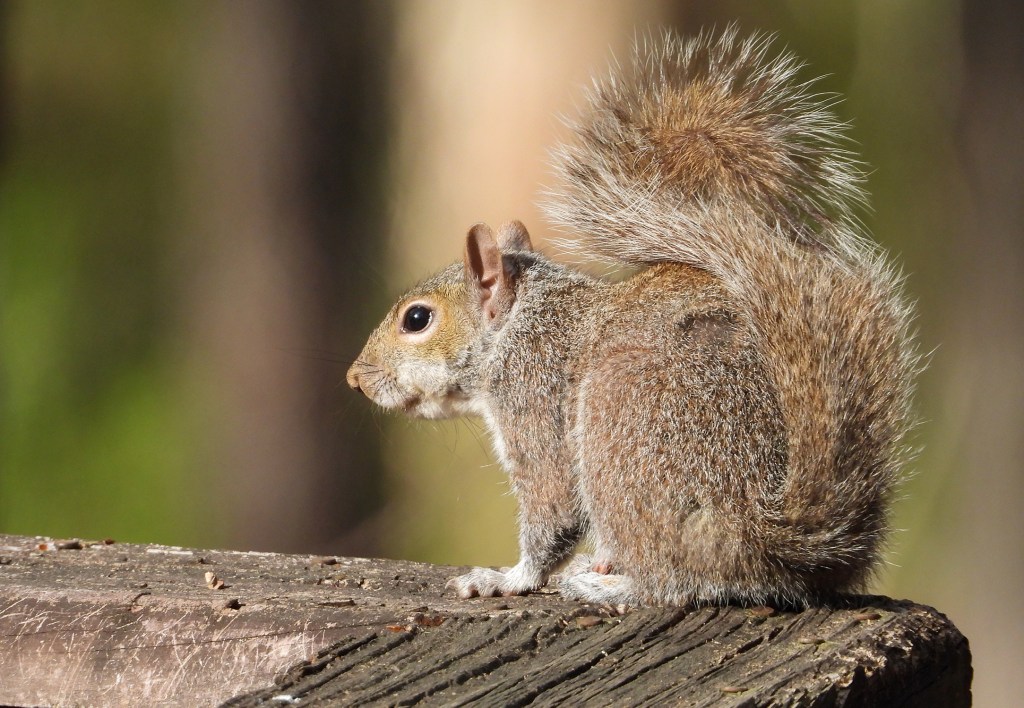
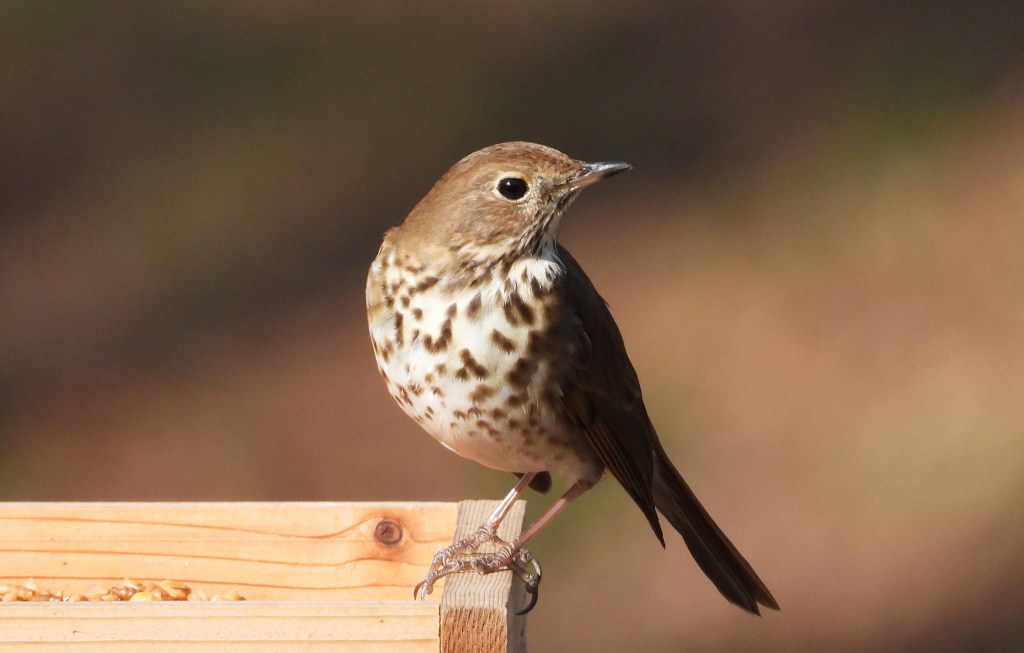
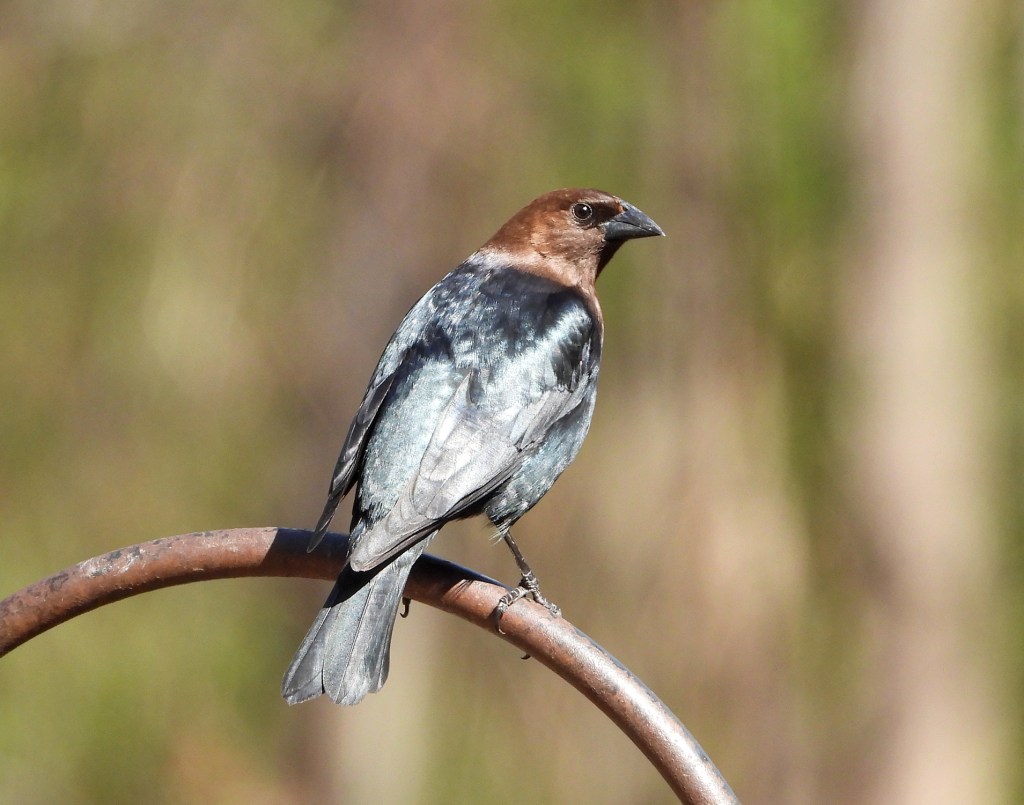
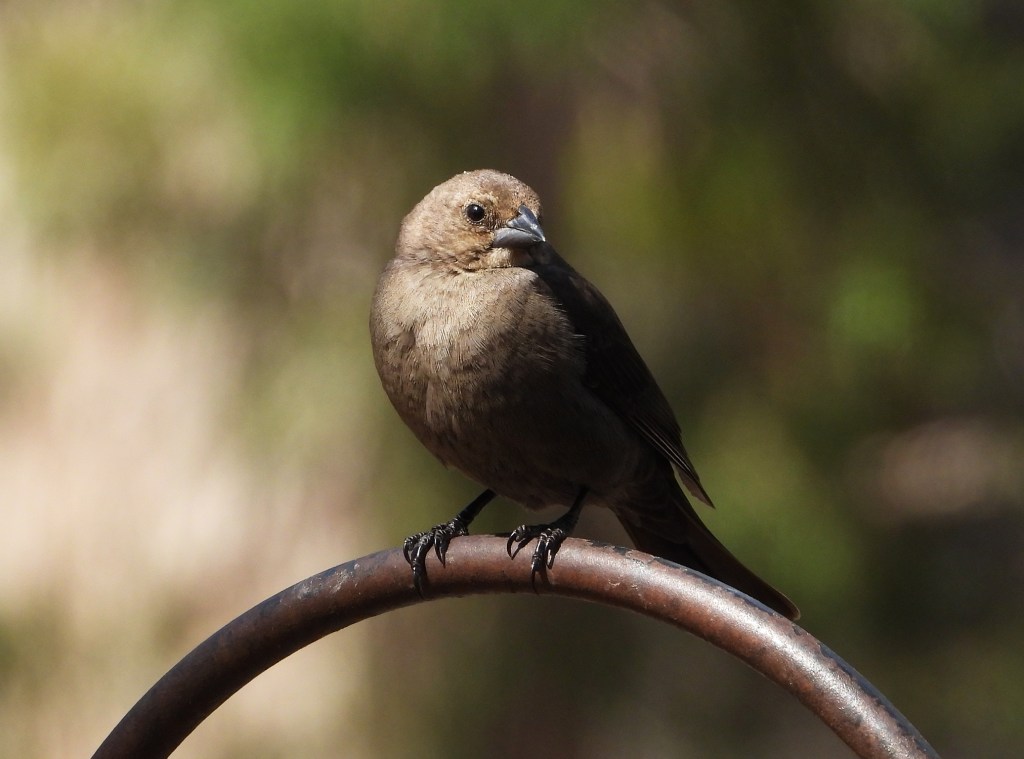
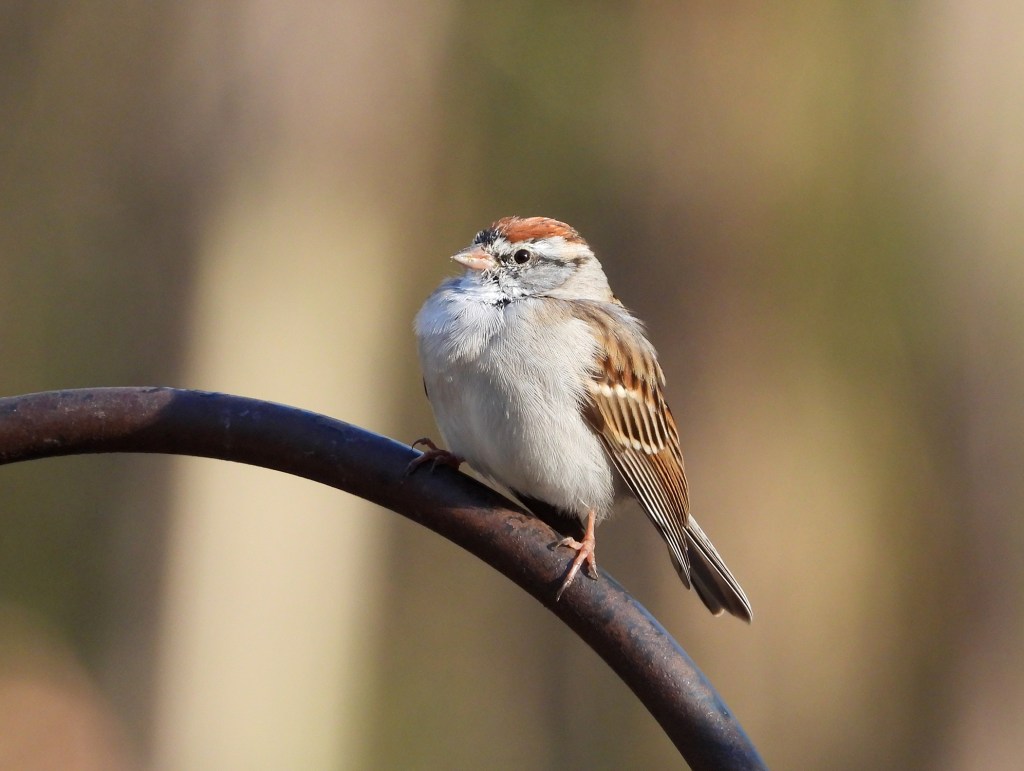
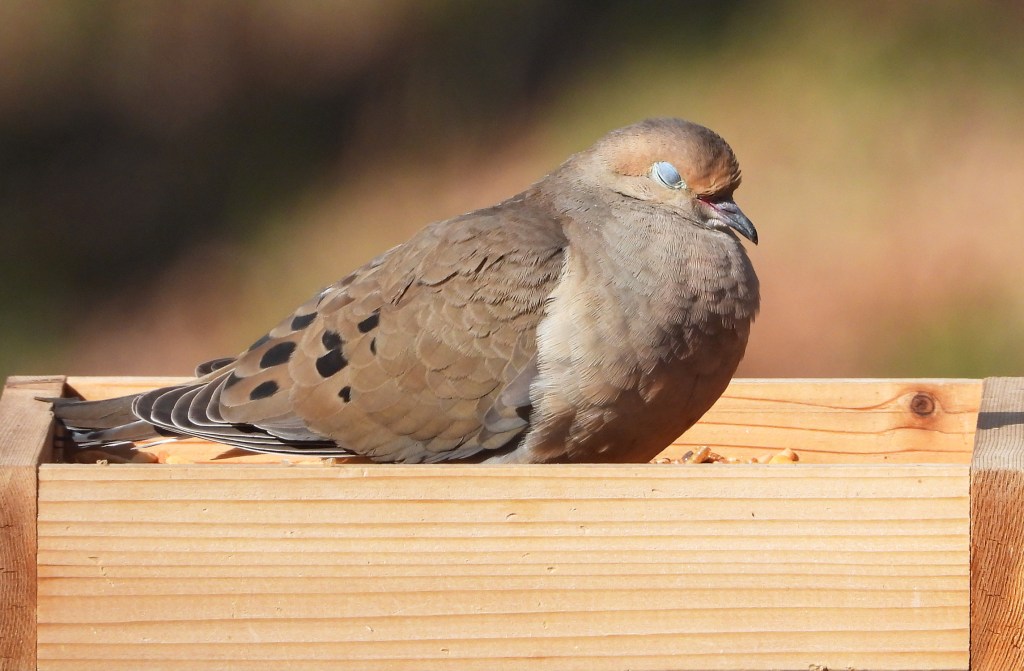
I hope you enjoy these photographs.


 The Used Life
Leave a reply to Donna Cancel reply