Birds of Early Spring

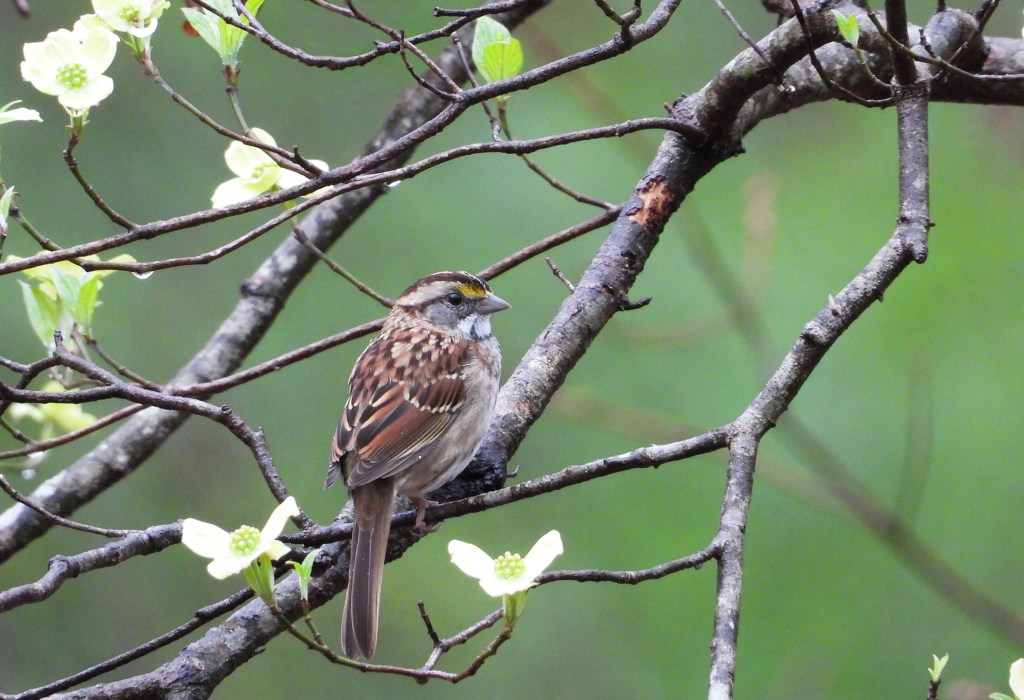
White-throated Sparrow in a dogwood tree

I did some backyard birding late yesterday afternoon, and one of the craziest things happened to me. I was sitting on the deck in my usual sit spot with my camera when, all at once, the birds at my feeders flushed. Several dove into the bushes surrounding the bird bath, and everything got very, very quiet. This is typically a sign that a predator is near.

And sure enough, within about 30 seconds, a Cooper’s Hawk flew into my backyard very low, about eye-level with me, and landed in the far corner of the yard. I got up and quietly crept across the deck to see if I could find it when, suddenly, the hawk emerged from a bush in very close pursuit of a White-throated Sparrow who had taken cover. I found myself yelling, “No, no, no, no!” (I love White-throated Sparrows.), and thinking, “I’m about to watch this hawk kill a sparrow, literally, right in front of me.”
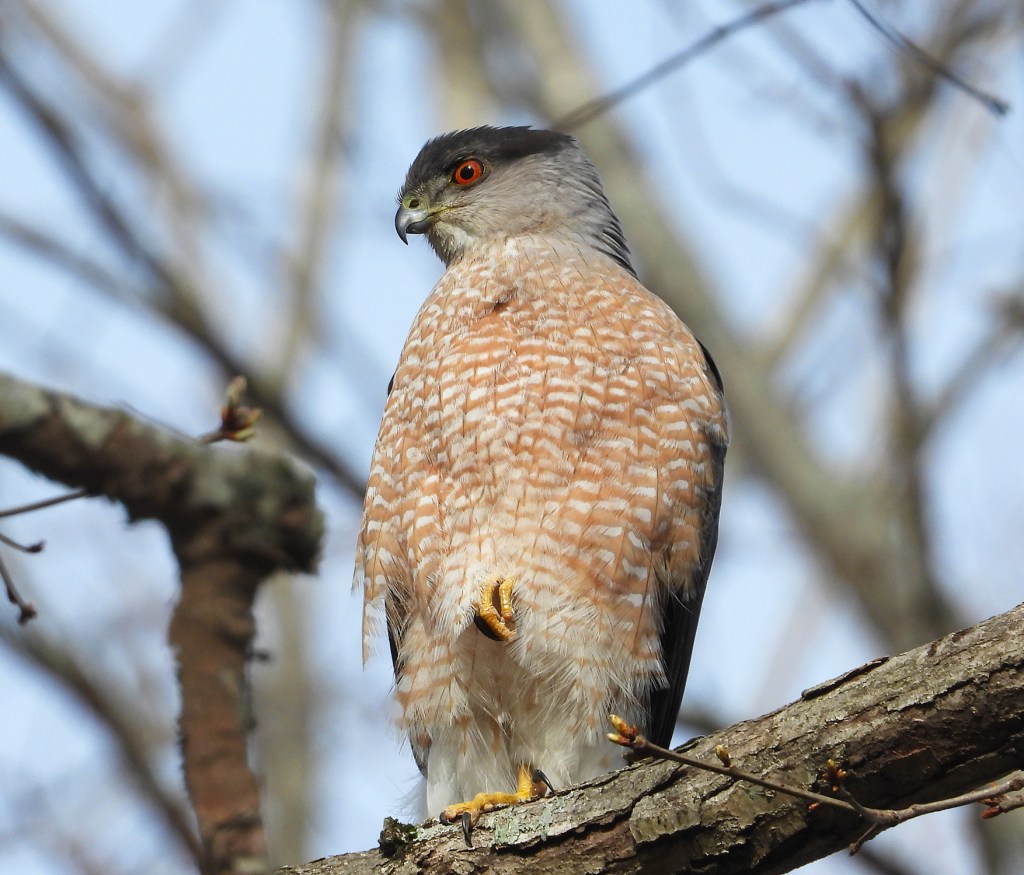
Cooper’s Hawk (photo taken in March 2024)

As they got closer to me, the sparrow turned right and flew between two wooden posts on the railing of the deck right where I was standing. I actually felt it graze my right knee–that’s how close they were. The hawk, in hot purusit, followed, but being a much larger bird, it didn’t maneuver as well in such a tight space and ended up–of all places–getting tangled in my legs. I let out a little scream (Who wouldn’t?). By the time it disentagled itself and regained its bearings, the sparrow was long gone. If it weren’t for the sparrow’s quick thinking, I imagine it wouldn’t still be alive. What a wild encounter!

That said, I am fortunate not to have a problem with hawks hunting at my bird feeders. They do stop by occasionally–but only occasionally. And they don’t tend to hang around for very long when they do.

I do, however, continue to by amazed by how adept the little songbirds are at knowing when a predator is nearby. Sometimes, I never even see the predator. But when it’s in close enough proximity, they know, and they either leave, freeze in place, or take cover until the threat has passed. It’s my understanding that a lot of this awareness comes from a kind of inter-species communications network (which you can read about here). That is, songbirds of different species know how to interpret each others’ alarm calls signaling a predator and specific information about the predator and its location. They pass that information to one another in a kind of chain, such that the songbirds in a certain area may know a hawk is on the way well before it even arrives.

I hope you enjoy these photographs.
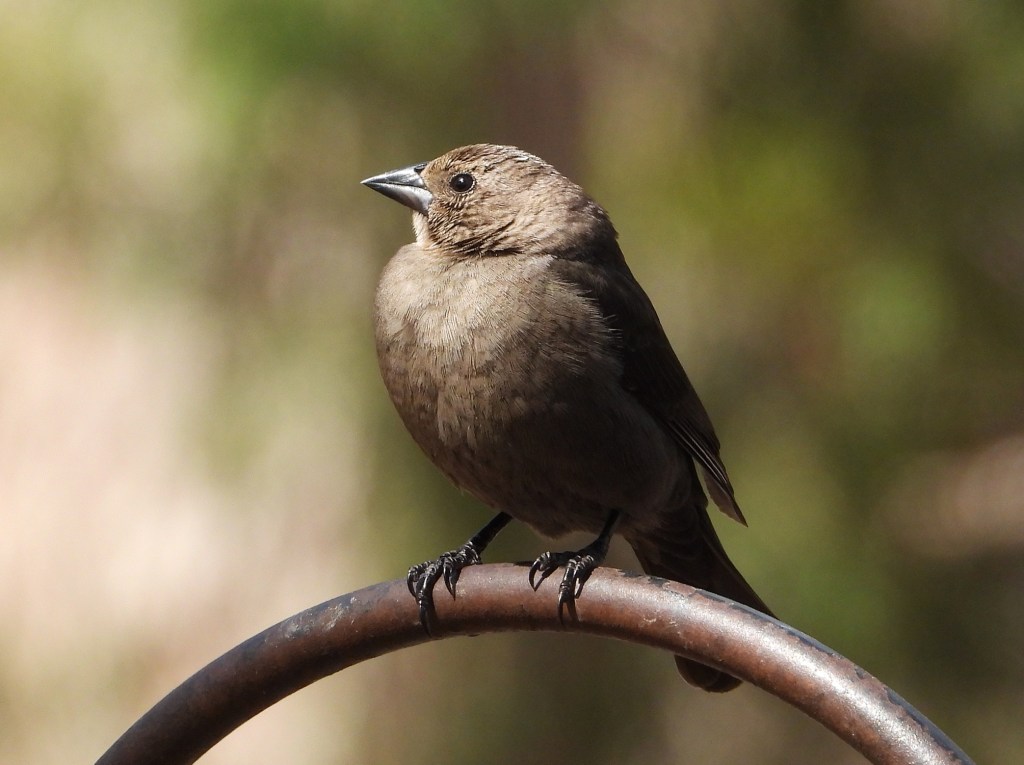
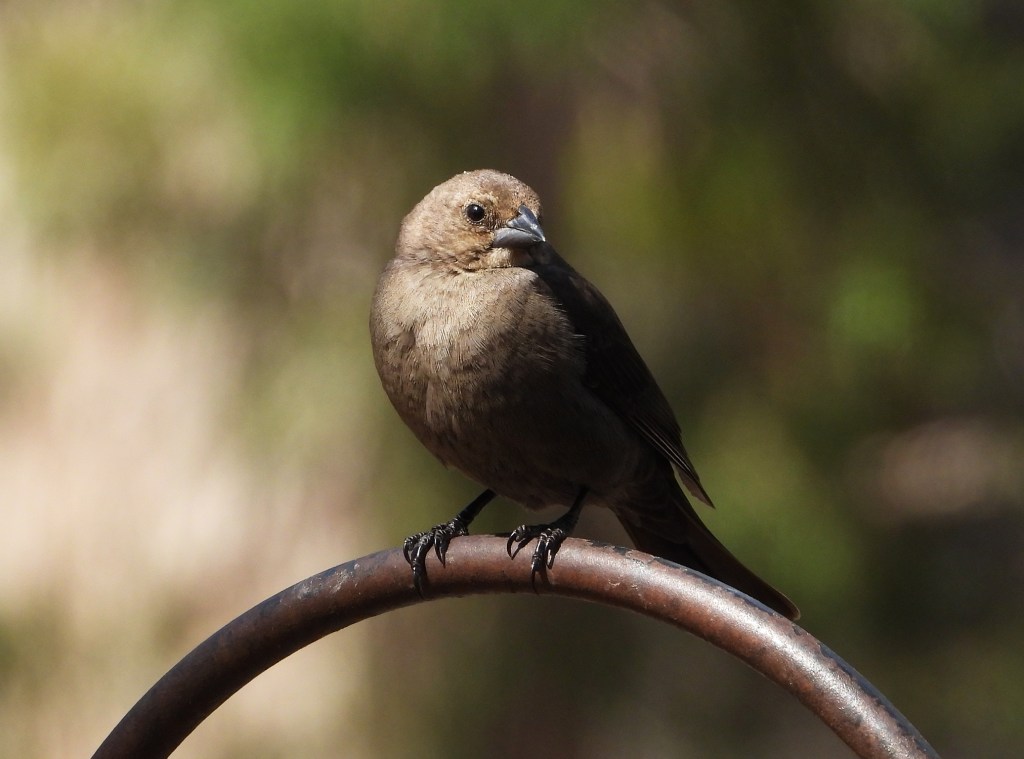
Brown-headed Cowbird (female)
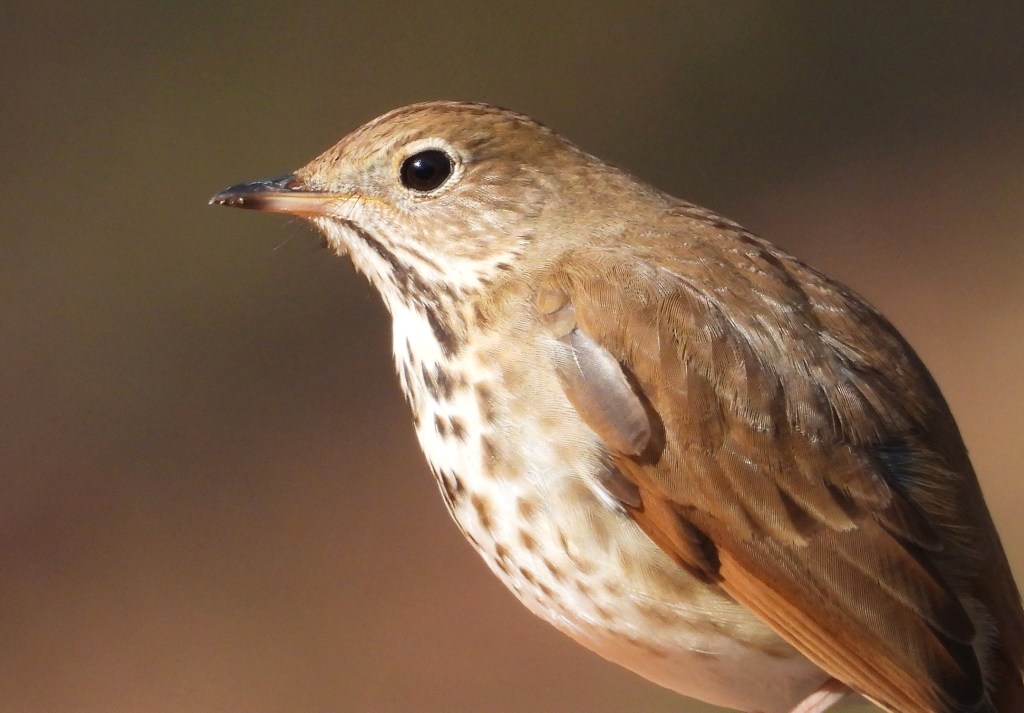
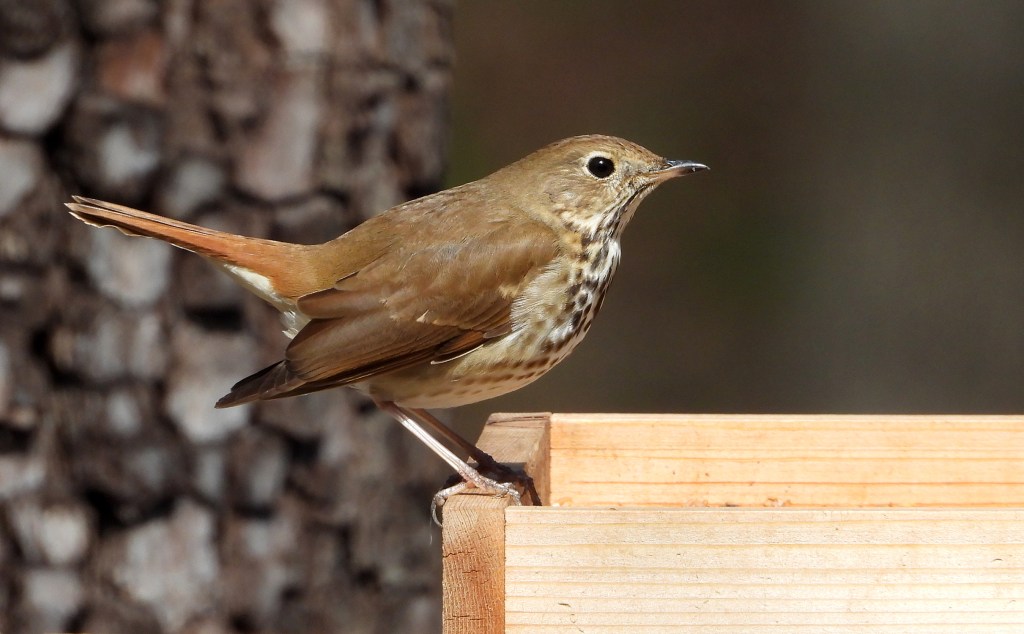
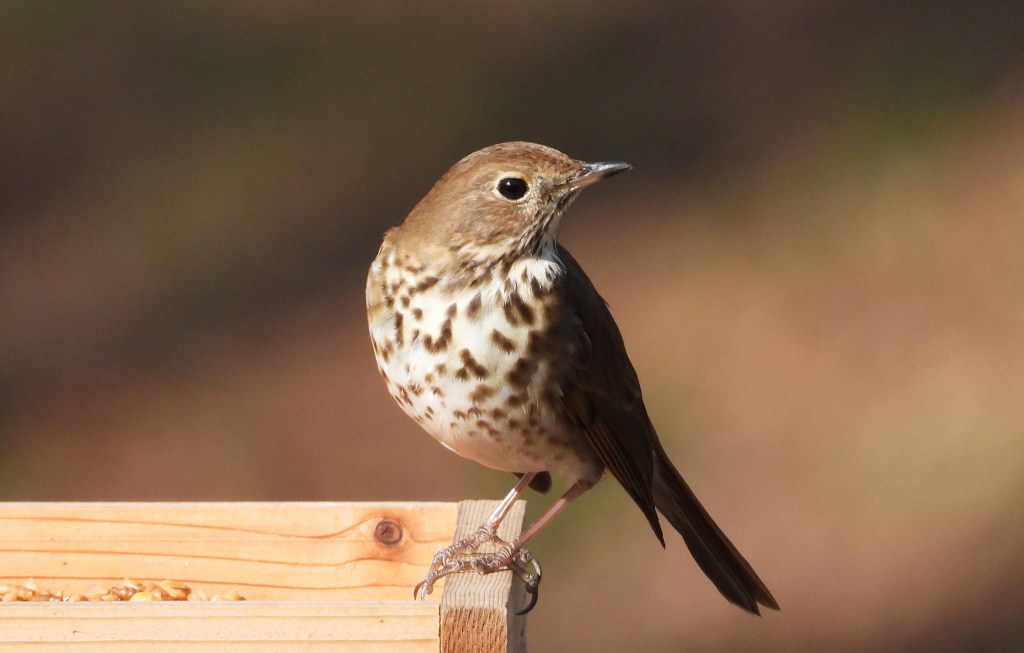
Hermit Thrush
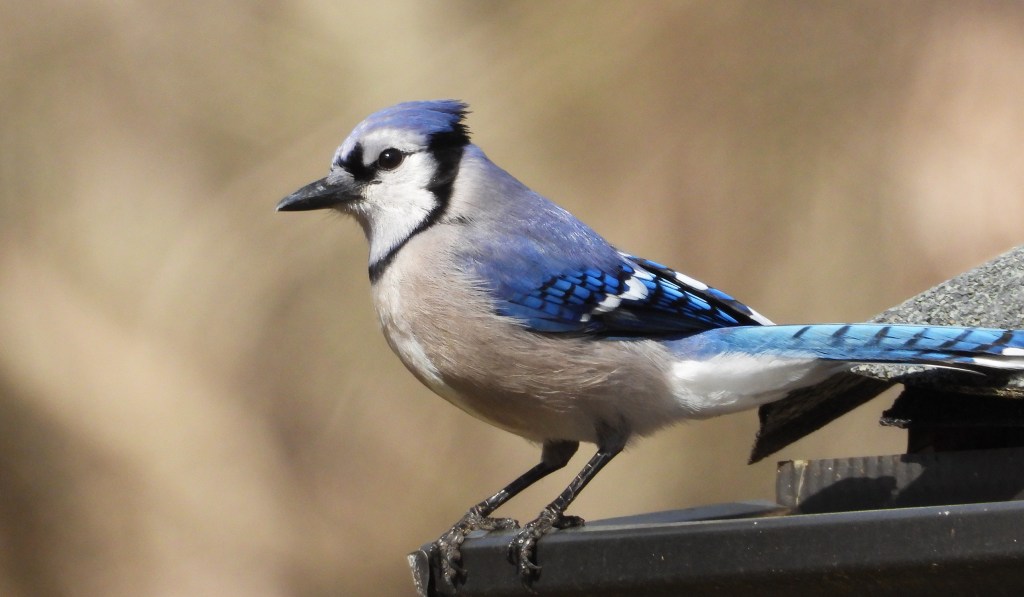
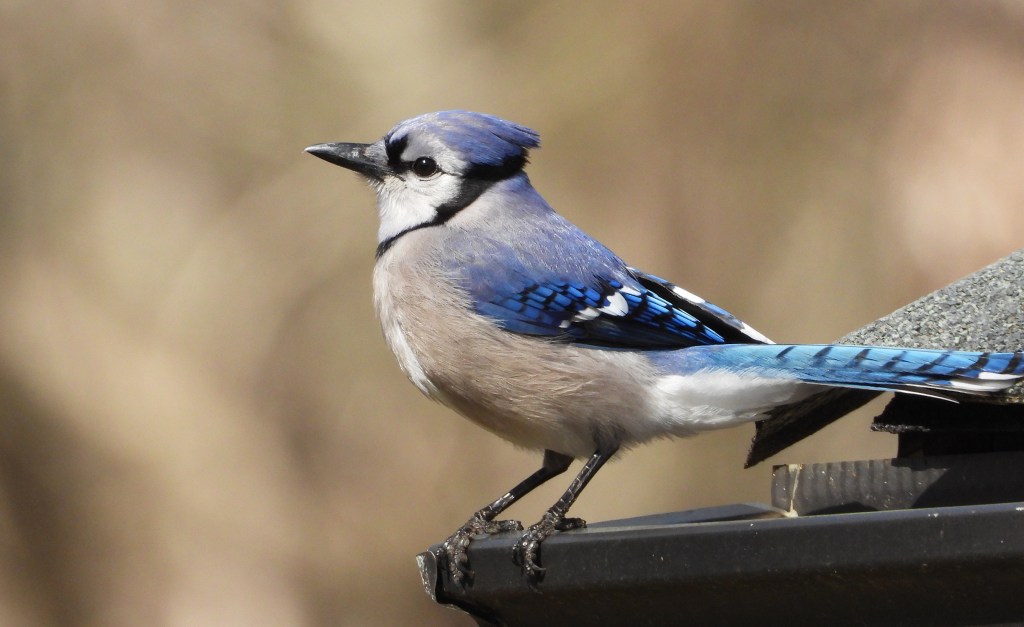
Blue Jay
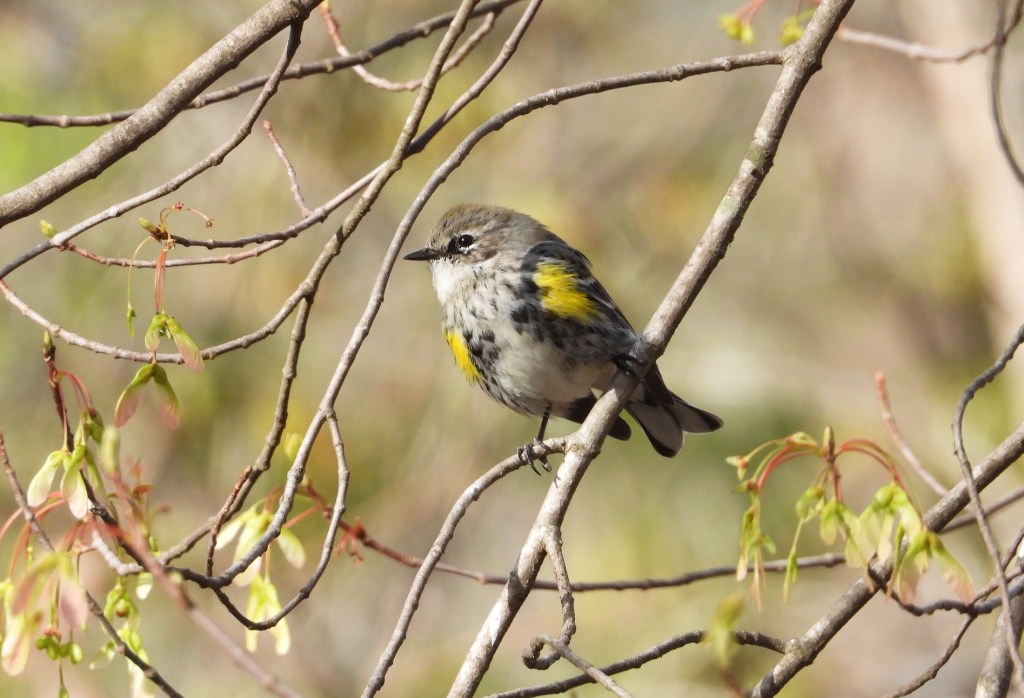
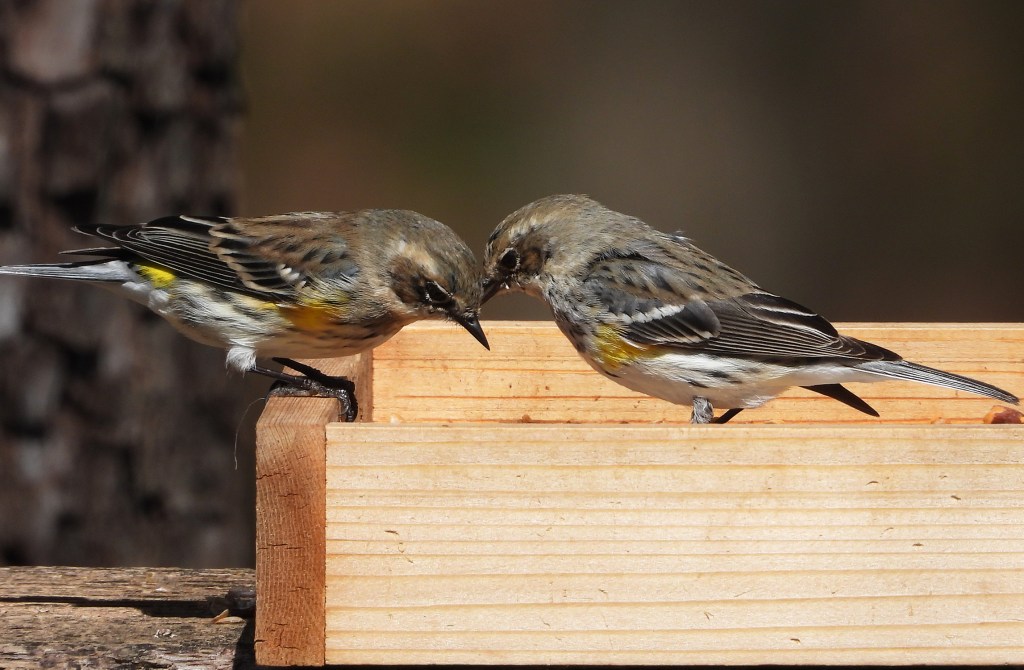
Yellow-rumped Warbler
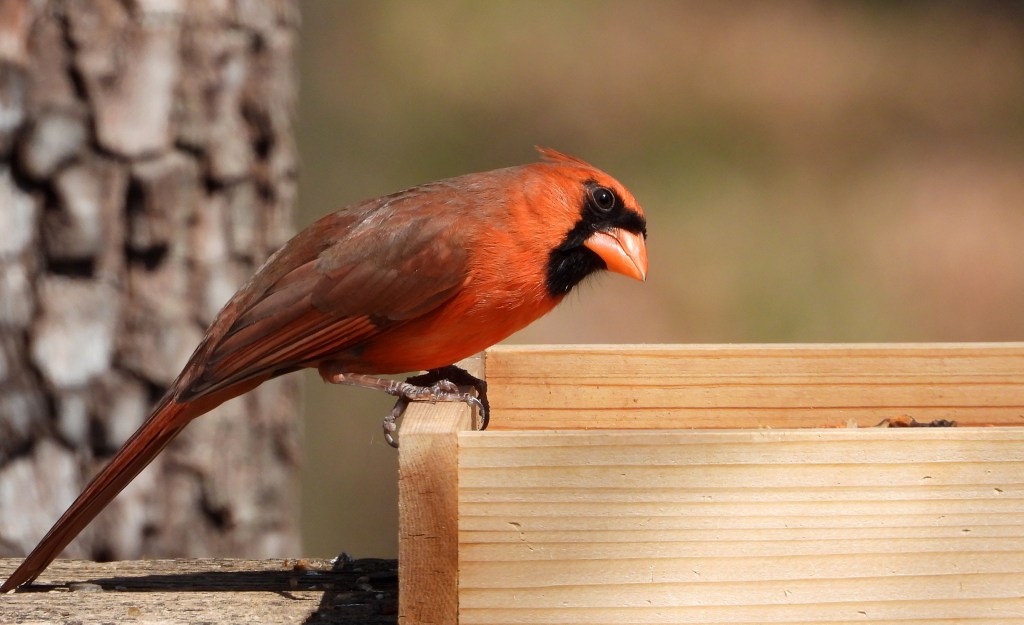
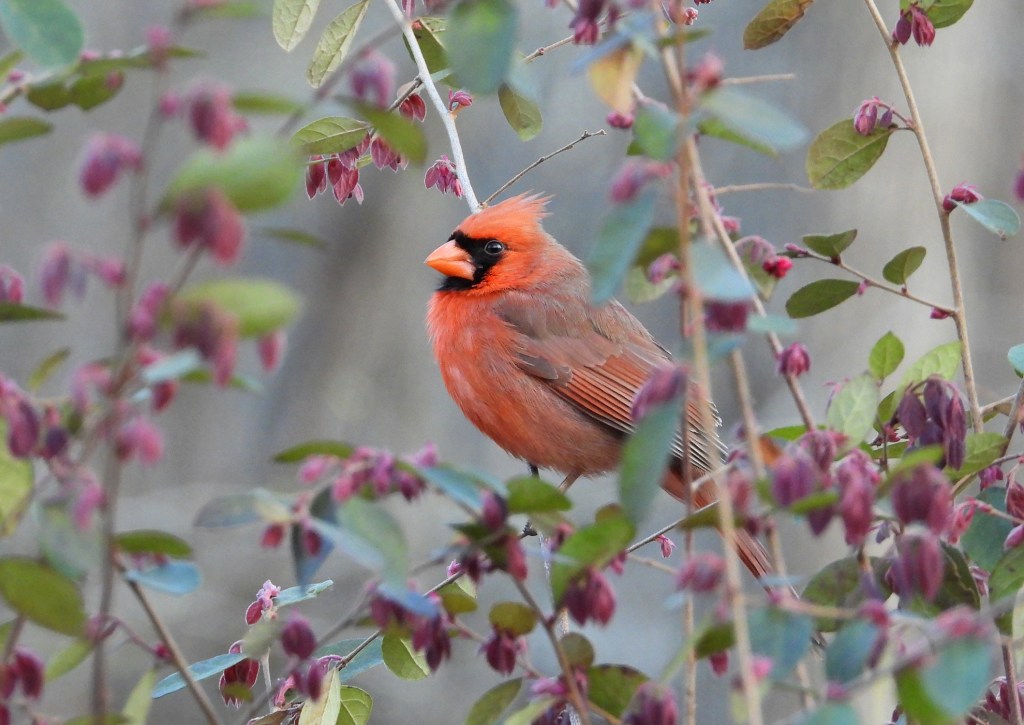
Northern Cardinal (male)
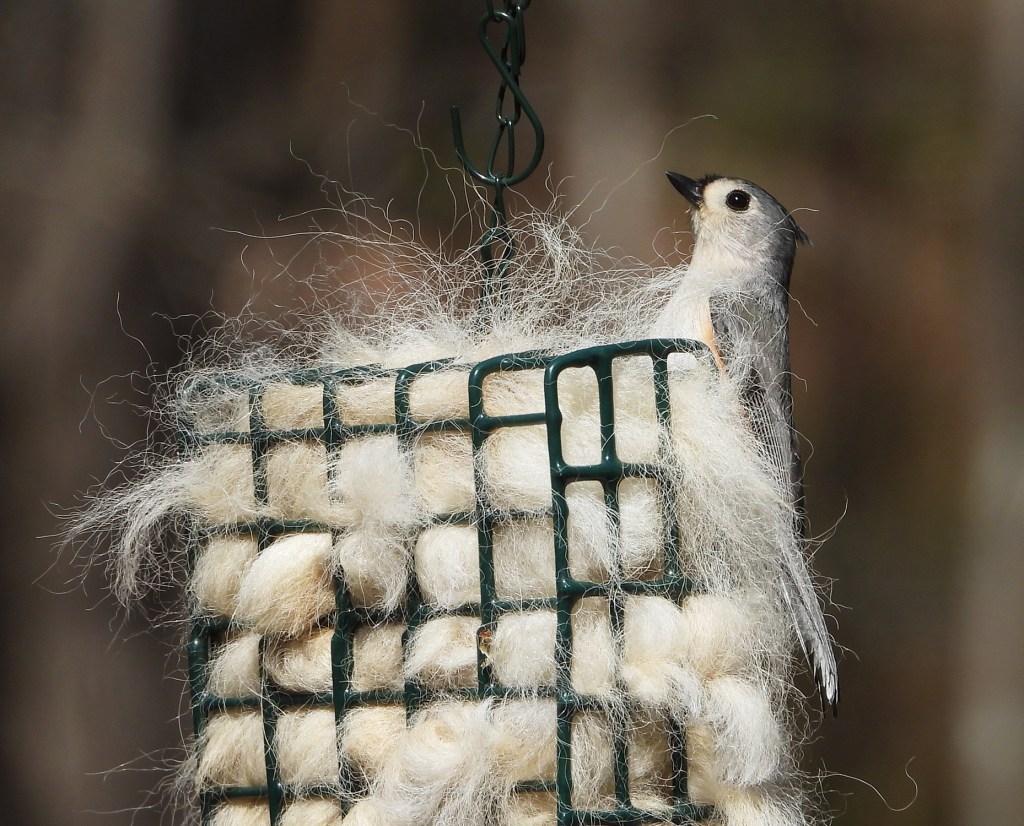
Tufted Titmouse. I filled a suet feeder with alpaca wool to provide nesting material for the birds this year. Here is a Tufted Titmouse (probably female) selecting some for her nest.
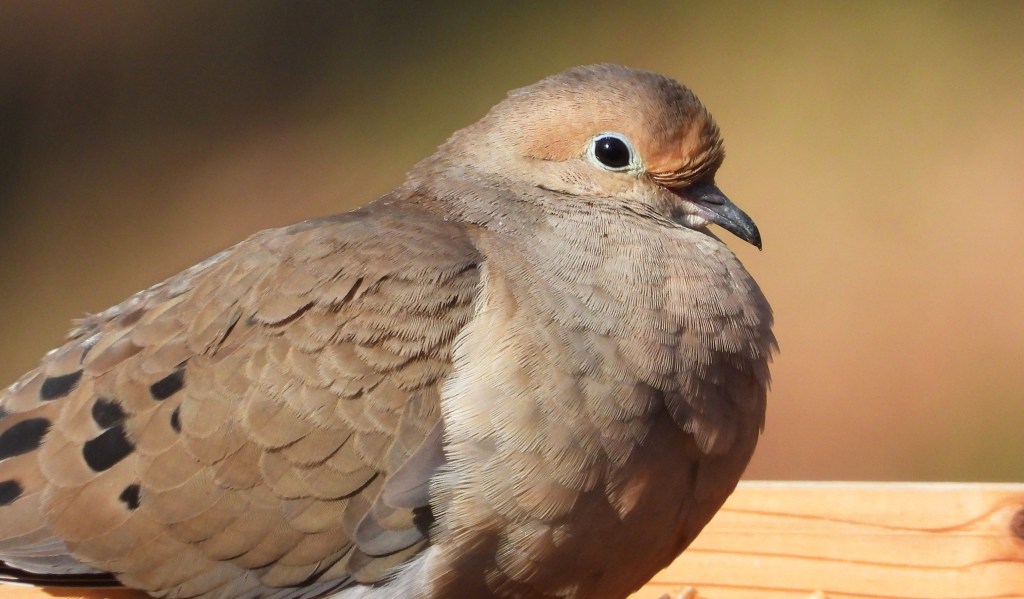
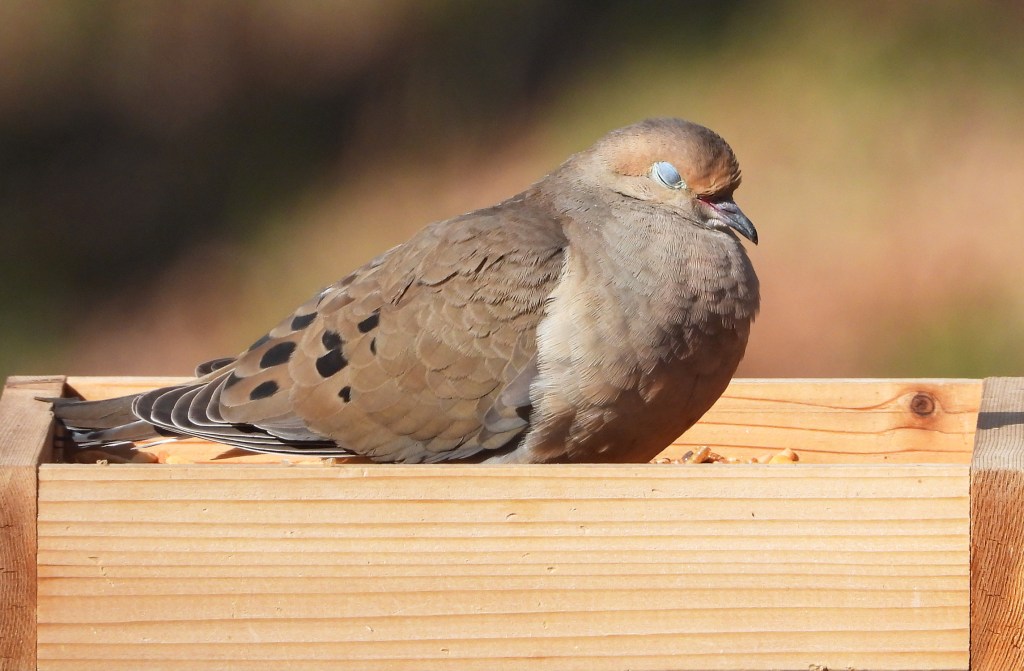
Mourning Dove
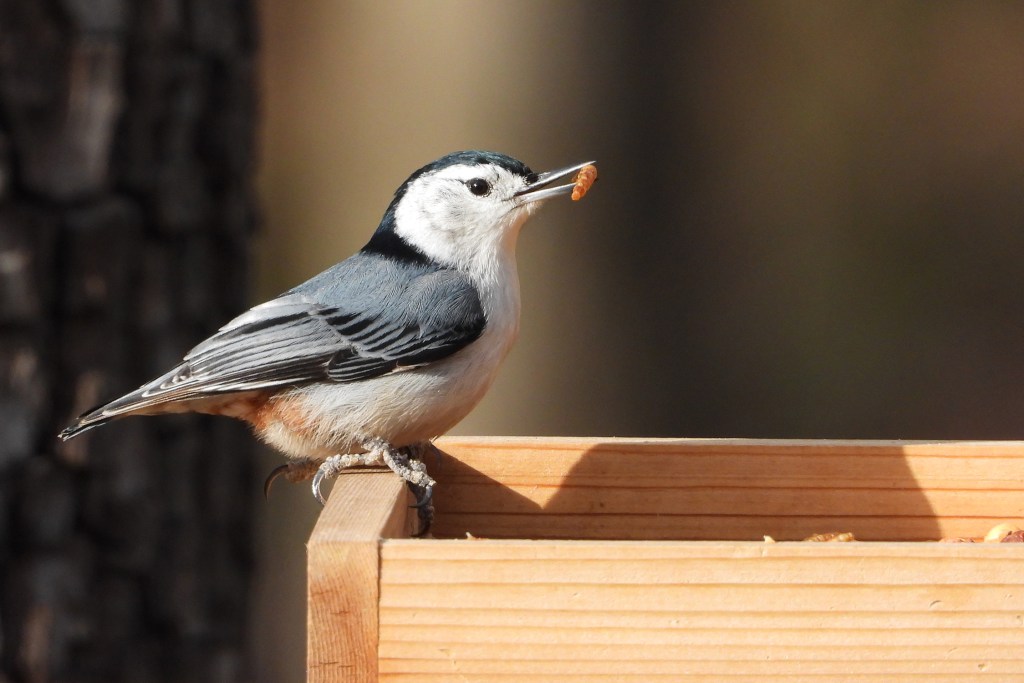
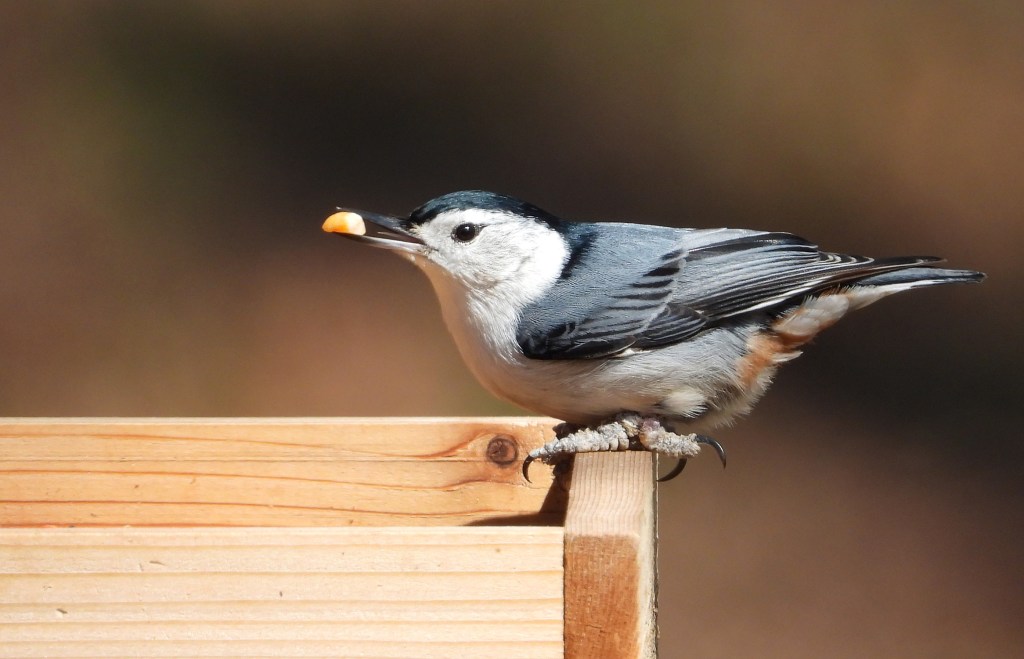
White-breasted Nuthatch (male)
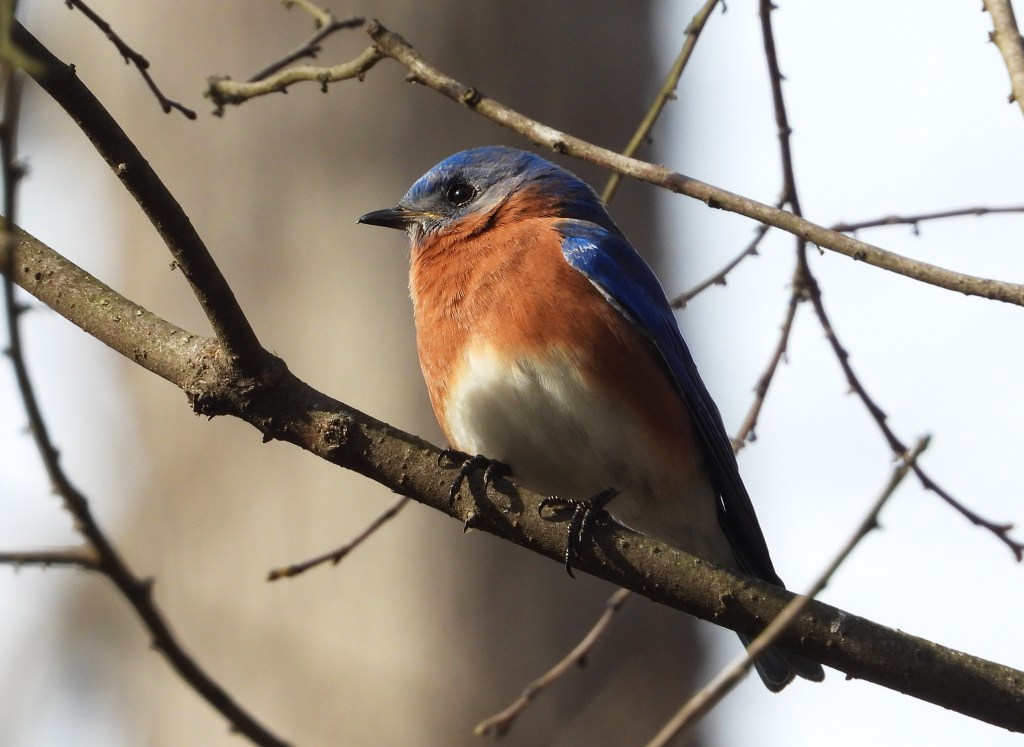
Eastern Bluebird (male)
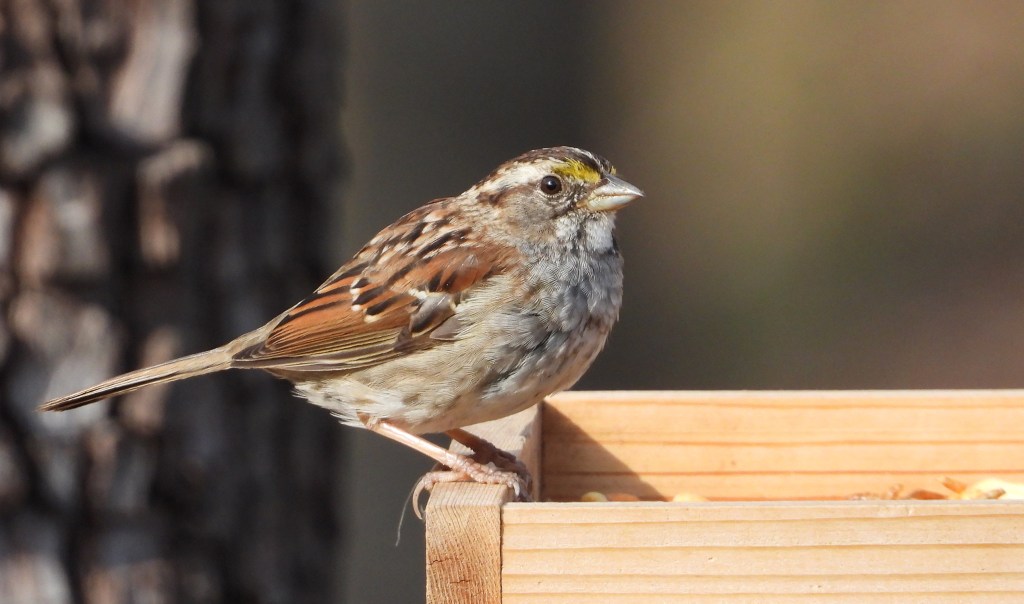
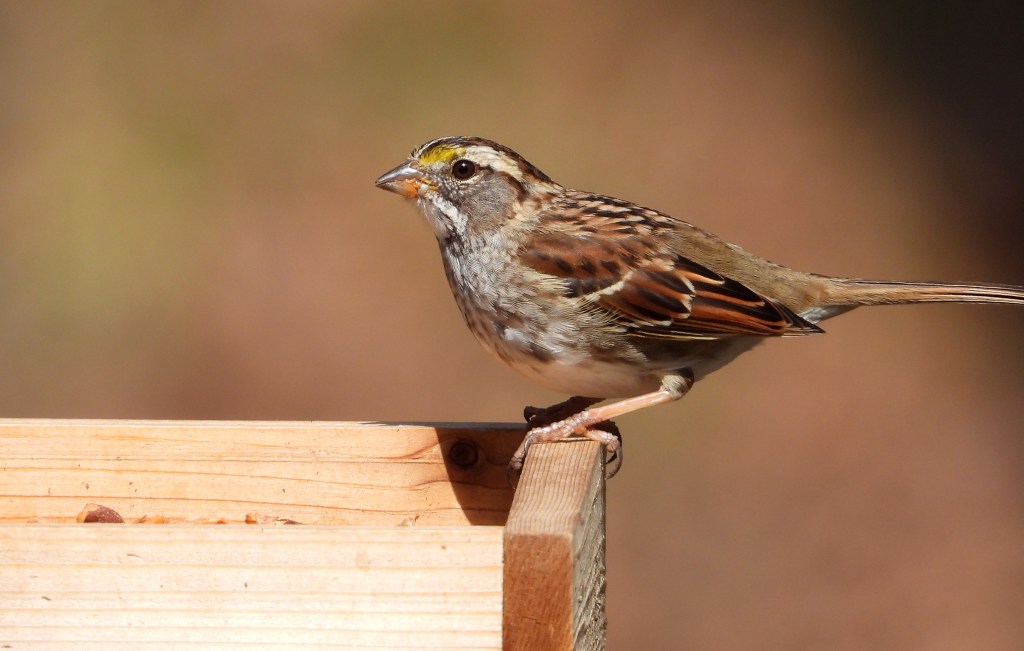
White-throated Sparrow
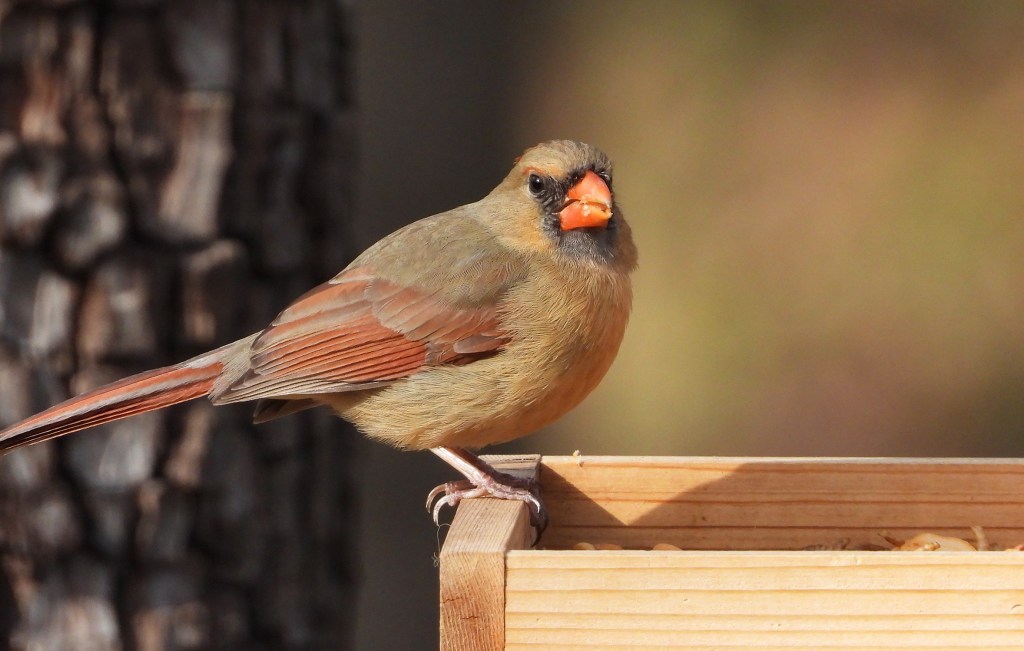
Northern Cardinal (female)
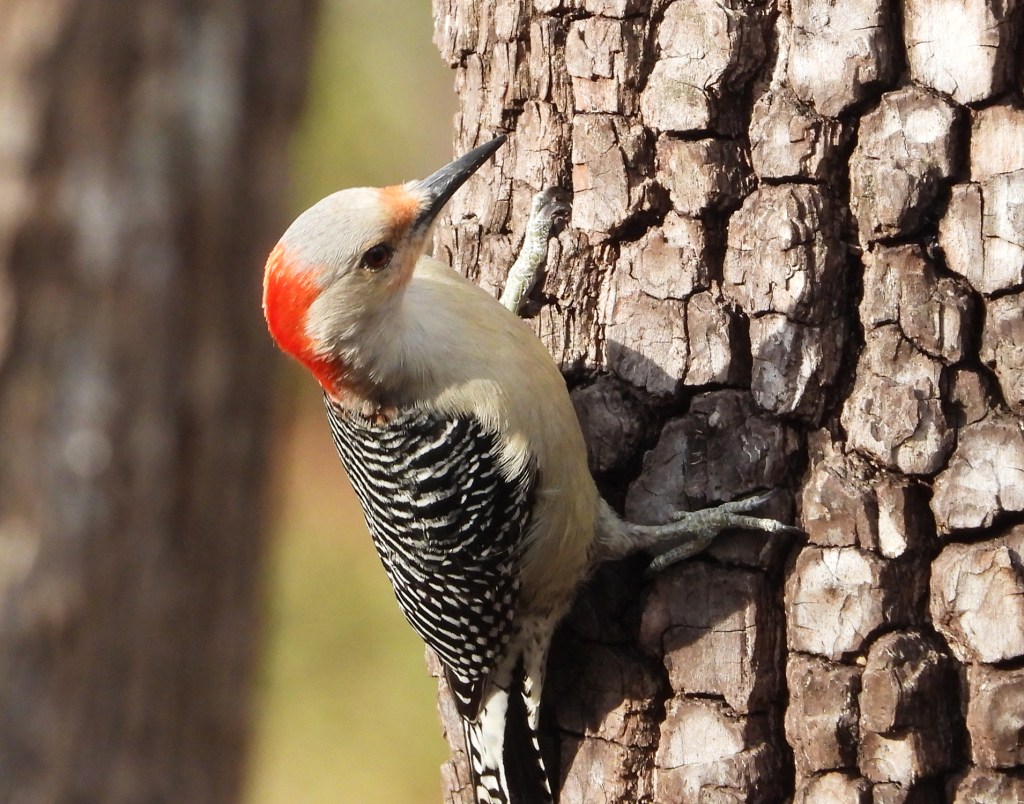
Red-bellied Woodpecker (female)
Hermit Thrush
Blue Jay
Yellow-rumped Warblers
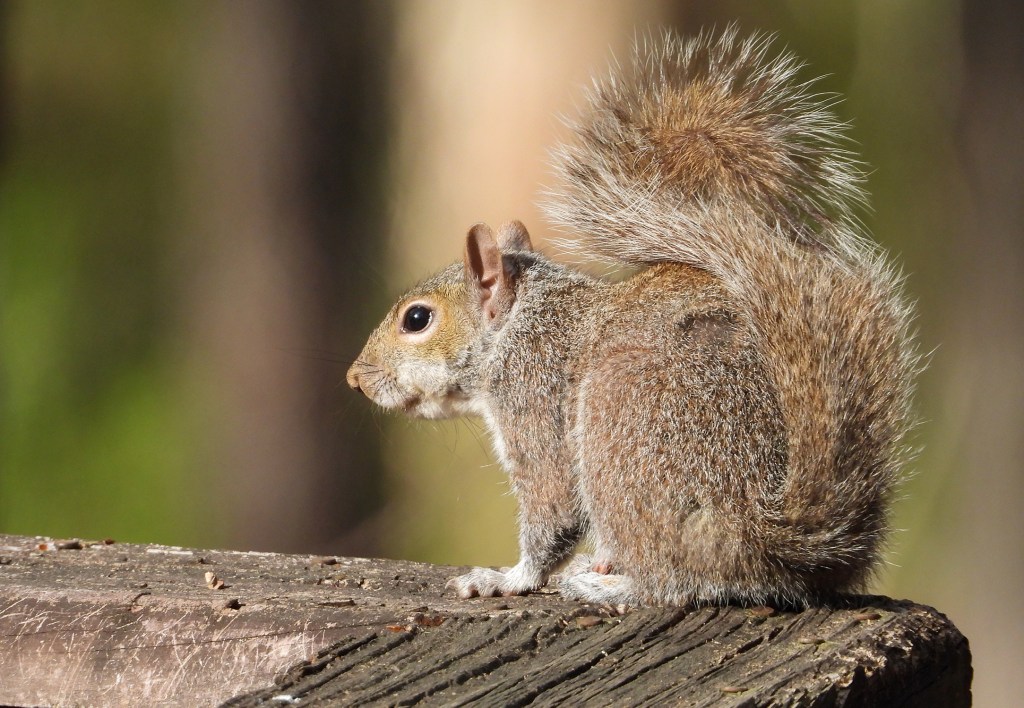
Eastern Gray Squirrel
Hermit Thrush
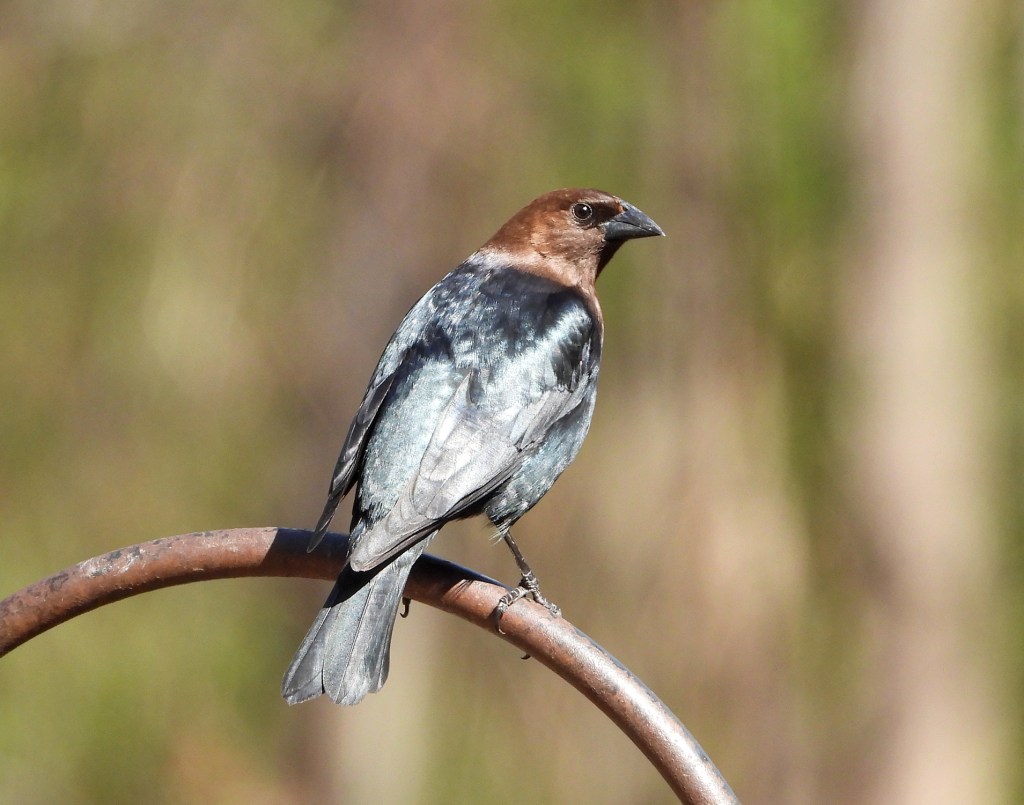
Brown-headed Cowbird (male)
Brown-headed Cowbird (female)
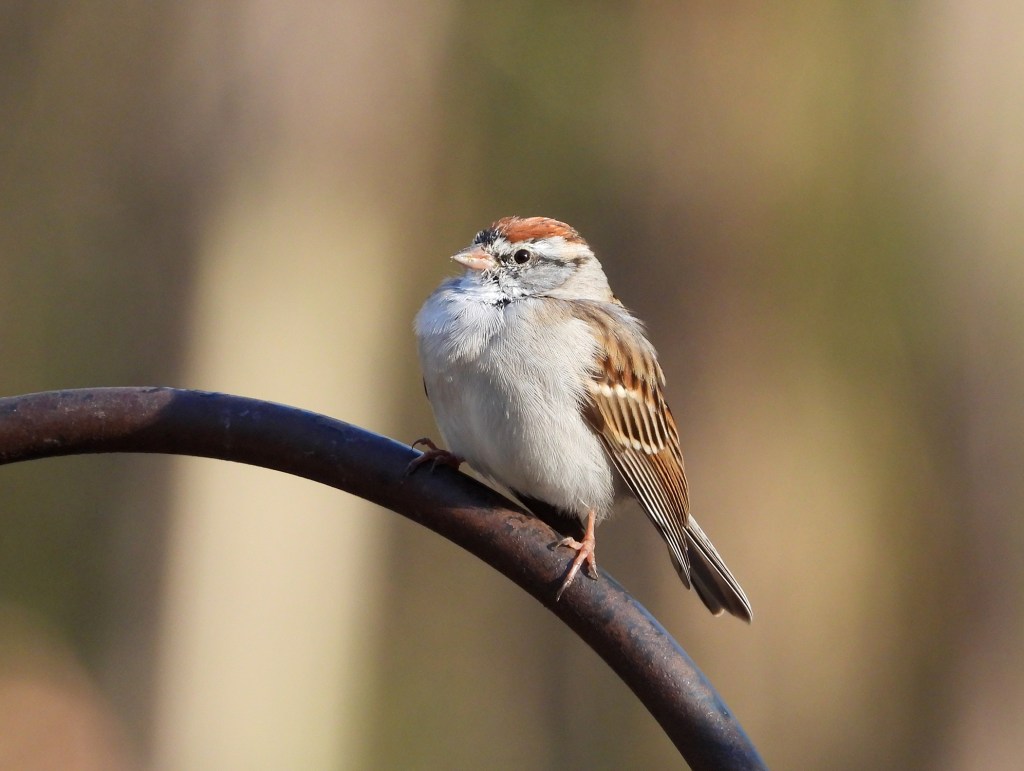
Chipping Sparrow
Mourning Dove
White-throated Sparrow
White-breasted Nuthatch (male)
Northern Cardinal (male)

7 responses to “Birds of Early Spring”

  1. Gasp… What a moment! There is no way I could have not shooshed away the hawk. I know, I know…but but but….would shoo away from any songbird, not just our white throat.

    Glad nature read your mind and respectful heart and made it all work out…including you, unharmed. I know the hawk had its dinner somewhere, but it’s best gone on unnoticed by me. 💙

    Liked by 1 person

    1. I agree! I respect hawks, and I know they have to eat, too, I’d just prefer they didn’t do it at my feeders. It’s amazing how fast hawks can strike, but that little white throat really did a number on this one…it was left in a heap of feathers flapping its wings against my shins. I was happy to know the little one got away. 😊

      Liked by 1 person

  2. That’s what I call a birding adventure! Such good pics. The last one is so pretty among the flowers.

    Liked by 1 person

    1. It was an adventure, indeed! Thank you, Lisa! I’m glad you enjoyed the photos. Also, I thought of you recently. In one of my last bird posts, you asked me how I keep the squirrels away from the natural wood tray feeder, and I said I didn’t mind them picking at the food…I redact that statement! I’ve had to make the switch to a spicy seed mix in that feeder. The squirrels became more than I could handle!

      Liked by 1 person

      1. Laura, I have every species of squirrel in MI coming to my feeders but they can’t get to them so they satisfy themselves with what falls under and the food that spread on the ground for everyone. Not sure I have ever seen spicy seed mix at the store. So the birds don’t mind it but they do?

        Liked by 1 person

      2. Haha…my squirrels are now confined to the food beneath the feeders, too. That’s first come, first served, as far as I’m concerned. But, yes, birds can eat spicy seed, and squirrels (and other mammals) are repelled by it. The squirrels in my yard won’t go near it, which is great. Birds are immune to capsaicin. They can’t taste or smell it, and it doesn’t bother their digestive system, either.

        Liked by 1 person

      3. p.s. you are welcome 🙂

        Liked by 1 person

Leave a reply to theusedlife Cancel reply